Why Oyster Reefs Matter More Than Most Charleston Anglers Realize
Charleston County’s recent oyster reef work at Oldtown Creek highlights something good anglers already know: shell changes everything. From current breaks to bait concentration, oyster habitat is one of the biggest drivers of Charleston’s inshore bite.
Charleston anglers love talking about tides, wind, bait, water temperature, moon phase, and reports.
All of that matters.
But underneath a lot of good inshore fishing around the Lowcountry is something less glamorous:
Shell.
Oyster reefs, shell banks, marsh edges, and broken bottom are part of what make Charleston’s inshore fishery so productive. They shape water movement, protect marsh edges, hold life, and create the kind of habitat that fish return to again and again.
That is why a recent oyster restoration project along Oldtown Creek is worth paying attention to. Volunteers and environmental groups deployed 550 oyster reef bags along the creek to help slow erosion, restore marshland, and protect nearby Lowcountry communities. The reef bags were made from recycled oyster shells, and the project is part of a larger effort to rebuild marsh habitat in an area that experienced significant dieback years ago.
For most people, that is coastal restoration news.
For inshore anglers, it is also a reminder:
Healthy marsh habitat is fishing habitat.
Oyster reefs do more than sit on the bank
An oyster reef is not just a pile of shell.
It is living structure.
Oysters help filter water, stabilize shorelines, and create habitat for fish, shrimp, crabs, and other marine life. SCDNR notes that oyster reefs provide habitat for nearly 120 different species, including red drum, flounder, shrimp, and blue crabs.
That does not mean every oyster bank automatically holds fish.
That is where a lot of anglers get tripped up.
The reef is only one part of the story. What matters is how that shell interacts with tide, current, depth, bait, wind, water clarity, and season. Some shell looks good but fishes dead. Other shell does not look like much from the boat, but the surrounding conditions make it come alive.
That is the difference between seeing structure and actually reading water.
Shell is part of the Lowcountry food chain
Oyster habitat matters because it supports the small life that bigger fish depend on.
Shrimp, crabs, minnows, baitfish, and other small organisms use shell and marsh edges for cover. Predators do not need much of an invitation when food, movement, and structure line up in the same place.
That is why oyster habitat can matter for redfish, trout, flounder, sheepshead, black drum, and plenty of other inshore species.
But each species uses that habitat differently.
Some fish relate tight to hard structure. Some use it as an edge. Some are more interested in the bait moving around it than the shell itself. Some may only use it during certain parts of the tide.
That is also why generic fishing advice can fall apart fast.
“Oyster reefs are good” is true, but incomplete.
The better question is:
Are the conditions making that shell matter right now?
Restoration today can become better water tomorrow
The Oldtown Creek reef bag project is not about creating a fishing spot overnight. That is not how healthy marsh habitat works.
It takes time.
But projects like this can help rebuild the physical foundation of the marsh. Oyster reefs act as natural breakwaters that absorb wave energy and help protect marsh shorelines from erosion.
Over time, that kind of structure can help stabilize edges, support new oyster growth, and create better habitat for the small life that fuels the inshore system.
For anglers, the lesson is bigger than one creek.
Charleston fishing is not random. The best water usually has a reason behind it. Habitat, tide, wind, season, and bait all stack together. Oyster reefs are one of the pieces that often make the rest of the pattern make sense.
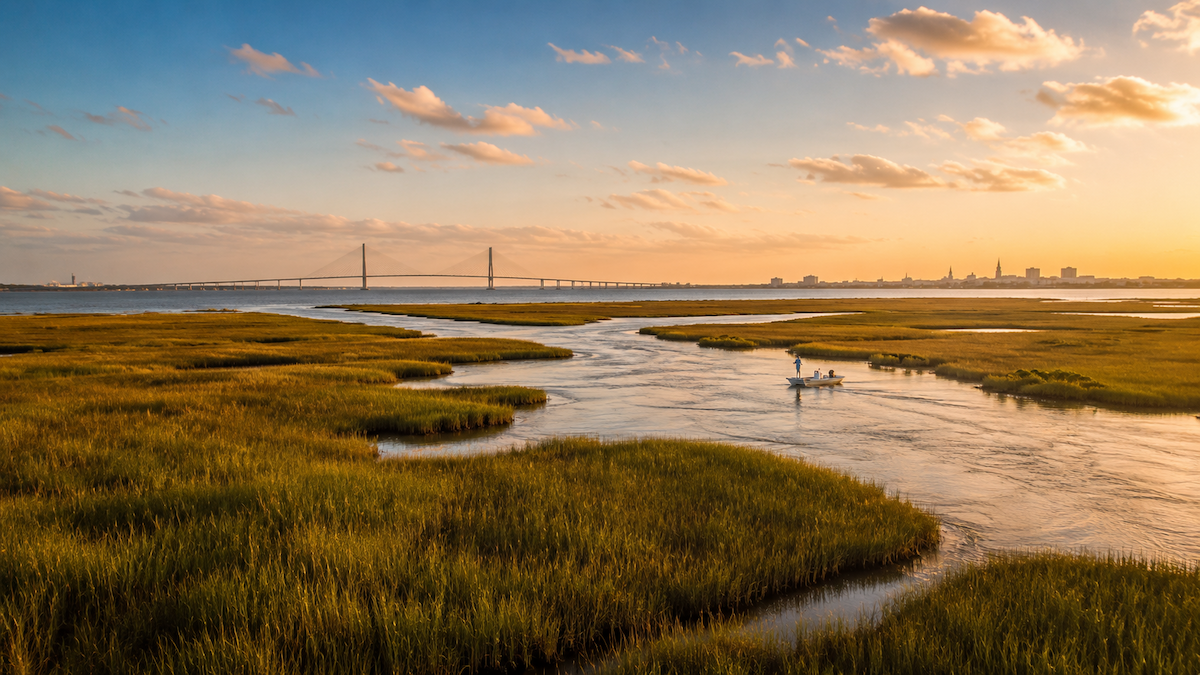
The marsh is always giving clues
Good anglers are not just looking for fish.
They are reading clues.
A shell edge. A grass line. A color change. A small seam in the current. A pocket of nervous bait. A bank protected from wind. A reef that looks completely different at low water than it did two hours earlier.
Those little details matter.
But the hard part is knowing which details matter today.
That is where most anglers lose time. They have a tide app, a weather app, a few reports, maybe a buddy’s text, and a mental list of spots they hope will work. Sometimes that is enough. A lot of days, it turns into guessing.
MarshMind was built around that exact problem.
The app does not just show conditions. It reads how conditions line up across Charleston inshore water — tide, wind, water temperature, seasonality, habitat, and zone context — so anglers can make better decisions before they burn half a day bouncing around.
Not a miracle.
Just less wrong, more often.
Respect the reefs
One important note: restored oyster reefs should be respected.
They are living habitat, not disposable structure. SCDNR also warns against placing live oysters or freshly shucked shells into South Carolina waters without proper handling, because shells need to be recycled and quarantined through the right process before being replanted.
That matters.
Healthy oyster reefs help protect the marsh, improve water quality, and support the food chain that makes Charleston fishing what it is. The better the habitat is, the better the long-term fishery becomes.
Fish around the marsh with that in mind.
Bottom line
The Oldtown Creek oyster reef project is a good reminder that Charleston’s inshore fishing is built on habitat.
Shell matters.
Marsh edges matter.
Moving water matters.
But the real value is knowing when those pieces are actually lining up.
That is the read.
And around here, the marsh usually tells you more than the rumor does.
 charleston
 Charleston fishing
 charleston fishing