Surf Fishing in Charleston, SC — Where to Go, What to Catch, and What Bait Works
A practical guide to surf fishing in Charleston, SC — where to go, what species you can catch, what bait works, and how to read the beach for better odds from Folly to Isle of Palms.
Surf fishing in Charleston is one of the easiest ways to get on fish without needing a boat, and when conditions line up, it can be surprisingly good. You do not need some hidden creek or private dock. Sometimes all you need is a moving tide, a clean stretch of beach, and bait in the right part of the water.
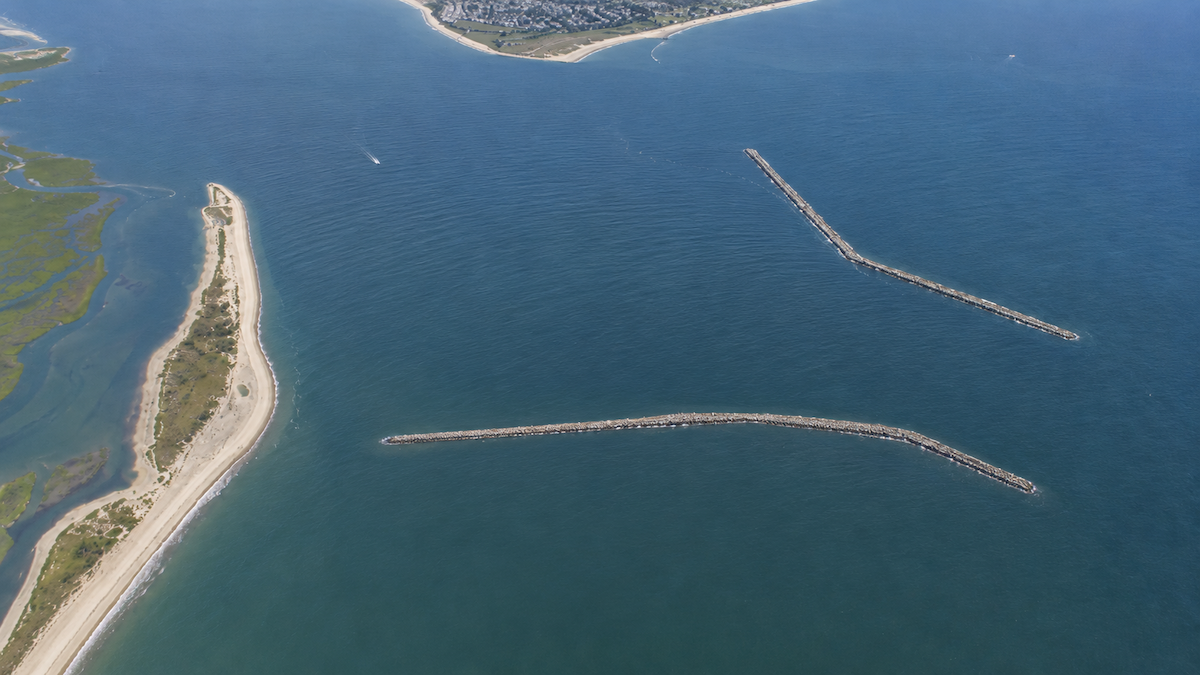
The mistake a lot of people make is treating every beach the same. Charleston surf fishing is not just walking onto the sand, making a long cast, and hoping something finds it. The best water usually has a reason for being good: a trough, a cut, a point, a drain, a cleaner seam, bait getting pushed, or current doing something different than the rest of the beach.
If you can learn to see that, your odds go up fast.
Where to Surf Fish Around Charleston
Charleston gives you a few solid options from shore, and each one fishes a little differently.
Folly Beach
Folly is one of the best places to start because it is easy to access, has plenty of fishable beachfront, and regularly gives up whiting, redfish, black drum, bluefish, flounder, and the occasional trout or shark depending on season and conditions. The east end and west end can both be productive, especially where current, deeper cuts, and tide movement create feeding lanes.
Isle of Palms
Isle of Palms is a strong option when you want a long stretch of fishable beach and room to hunt for cleaner water. It can hold whiting, pompano, redfish, black drum, bluefish, bonnetheads, and more when the water temperature and bait line up.
Sullivan’s Island
Sullivan’s rewards anglers who move and look. When the beach has defined cuts, holes, or bait activity, it can fish very well. It is a good place to cover water and pay attention to shape changes in the surf.
Kiawah, Seabrook, and Edisto Stretches
These beaches can all produce in the right conditions. Cleaner water, defined bars, and less pressure can make these areas very worthwhile for redfish, whiting, black drum, pompano, bluefish, and seasonal sharks.
What to Look for Before You Cast
A beach does not have to look dramatic to hold fish, but it usually needs something.
Troughs
These are deeper lanes running parallel to the beach. Fish use them like travel routes, and a lot of bites happen much closer to shore than people expect.
Cuts
A cut is a break in the bar where water funnels in or out. These are high-value places because bait gets pulled through them and predators set up nearby.
Points and Bends
Anywhere the beach shape changes can alter current and create a feeding lane.
Cleaner Water
If one section is churned up and muddy while another has better color and visibility, fish the cleaner stretch first.
Wave Pattern Changes
A beach that breaks unevenly usually has more going on underneath it. A softer section, a darker seam, or a deeper-looking lane is often worth a few casts.
What You Can Catch Surf Fishing in Charleston
Charleston surf gives you a solid mix of fish, and what shows up depends on bait, water temperature, and the overall look of the beach.
Whiting
One of the most dependable surf fish in the area. They are common, great to eat, and one of the easiest fish to catch from shore.
Redfish
Redfish are always a real possibility, especially around cuts, troughs, and lower-light windows. Smaller fish will cruise the wash, and bigger fish can show up when mullet and other bait are around.
Black Drum
Black drum are a natural surf target in Charleston. They love bottom baits and are often a good bet when the water has a little color.
Flounder
Flounder set up where current and ambush edges meet. Cuts, drains, and deeper troughs are your best bet.
Pompano
When the water warms and the beach has the right look, pompano are one of the best fish in the surf. They like cleaner water and small natural baits.
Bluefish
Bluefish roam the surf when bait is present. They are aggressive, fun to catch, and will hit cut bait or artificials.
Speckled Trout and Seasonal Sharks
Trout can show up around cleaner water and bait movement, especially near current-rich areas. In warm water months, small sharks and bonnetheads are also common enough to be part of the surf mix.
Best Bait for Charleston Surf Fishing
If you want to keep it simple, start here.
Shrimp
The most dependable all-around bait in Charleston surf. Whiting, black drum, redfish, and plenty of other species will eat it.
Cut Mullet
A strong choice when redfish, bluefish, or sharks are around. Fresh mullet usually outperforms old bait.
Sand Fleas
One of the best baits for pompano and whiting when they are present on the beach.
Cut Crab or Fiddler Crab
Excellent options for black drum and redfish, especially when fishing good troughs and cuts.
Fish Bites and Scented Strips
Not a replacement for the best fresh bait, but very useful when you want something durable that stays on the hook well.
How to Fish the Charleston Surf Better
1. Read the Beach First
Before you rig anything, spend a few minutes looking. Find the darker water, the cuts, the troughs, the bars, and any place where current looks organized.
2. Fish Moving Tide
Moving water is almost always better than dead water. Outgoing often creates strong feeding lanes, but incoming can be very good too, especially when cleaner water pushes in.
3. Fish Closer Than You Think
A lot of anglers cast over fish. Work the first trough and the near water before assuming the bite is way outside.
4. Start Simple
A double-drop or high-low rig with shrimp covers a lot of Charleston surf fishing. If you want to target larger fish, a fish-finder style rig with mullet or crab is a good next move.
5. Move if the Water Looks Dead
Do not stay planted just because a stretch is easy to stand on. If there is no bait, no water color change, no trough, and no life, keep walking.
Basic Surf Setup
A practical Charleston surf setup looks like this:
8 to 10 foot medium or medium-heavy rod
4000 to 6000 size spinning reel
15 to 20 lb braid or a similar mono setup
Bottom rigs, leader material, pyramid sinkers, and circle hooks
You do not need a giant setup to catch fish from Charleston beaches. A simple, balanced rig is usually better than overcomplicating it.
Best Times to Go
Your odds usually improve when you combine a few of these:
Early morning or evening
Moving tide
Cleaner water after rough weather settles
Visible bait activity
Lower light windows
After a hard blow, do not automatically force the beach just because the calendar says it should be good. Charleston surf can get churned up fast. Sometimes the better play is waiting for cleaner water or choosing a stretch with less exposure.
Charleston Surf-Fishing Mistakes to Avoid
Casting as far as possible on every cast
Ignoring the first trough
Fishing dead-looking water too long
Staying in muddy, churned-up surf when a cleaner stretch is nearby
Treating every beach access the same
Final Thought
Charleston surf fishing gets better when you stop thinking of the beach as one giant piece of water. The fish are not everywhere. They are in the parts of the surf where depth, current, clarity, and bait all come together.
Find the cut. Find the trough. Fish the cleaner seam. Let the tide do some of the work.
That is usually a much better plan than bombing casts into empty water and hoping something saves the day.
 charleston
 Charleston fishing
 charleston fishing