Spring Speckled Trout Fishing Guide — Charleston Lowcountry
Water temps hitting 60°F flips the switch on Charleston's speckled trout fishery. Here's where to find them in spring, what they're eating, and how to capitalize on one of the Lowcountry's best seasonal bites.
Spring Speckled Trout Fishing Guide — Charleston Lowcountry
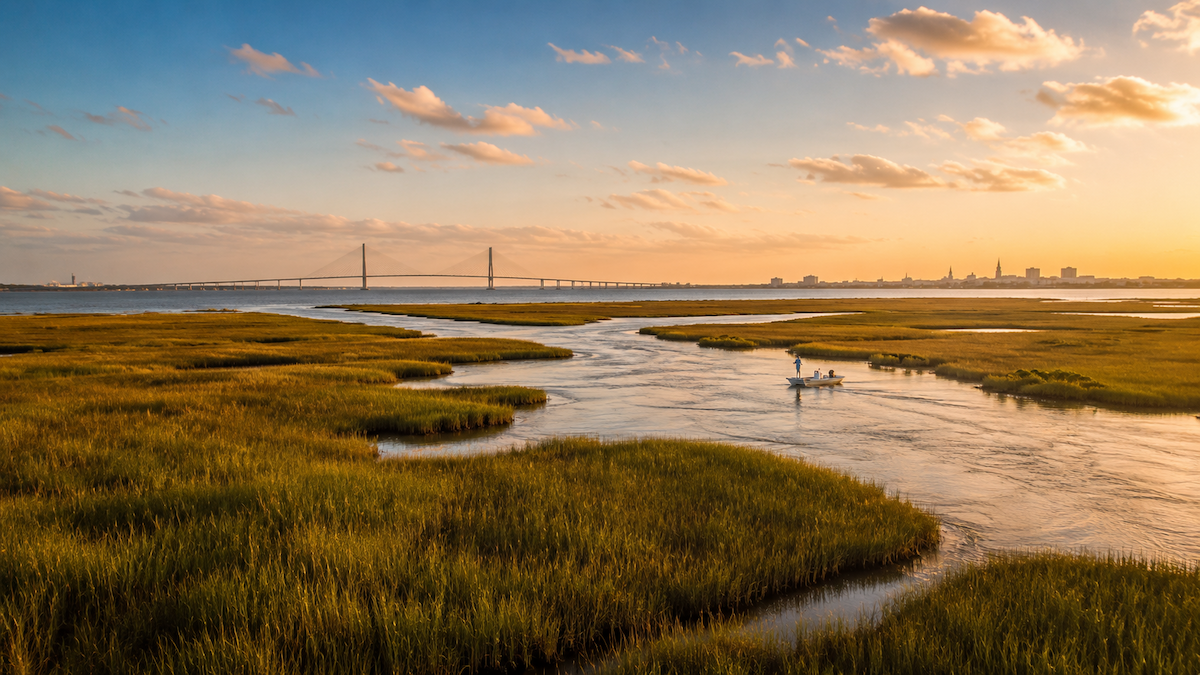
Spring awakens the Charleston Lowcountry's speckled trout like no other season. As water temperatures climb and baitfish begin their annual migration patterns, these prized gamefish transform from lethargic winter holdovers into aggressive feeding machines throughout the tidal creeks, rivers, and nearshore waters surrounding Charleston SC. From the Stono River's grass flats to the deeper cuts of Charleston Harbor, understanding spring trout behavior gives Lowcountry anglers their best shot at consistent action during this prime season.
Understanding Charleston's Spring Trout Migration Patterns
Spring speckled trout in Charleston waters follow predictable migration patterns tied to warming temperatures and increasing daylight hours. These fish begin moving from their deeper winter haunts toward shallower feeding areas where they'll stage for their annual spawn. The Ashley River and Wando River systems become highways for this movement, with trout using deeper channels as travel corridors while venturing onto adjacent flats to feed.
The transition happens gradually, with trout initially holding near structure in slightly deeper water before committing fully to the shallows. Creek mouths along the Stono River and tidal creeks feeding into Bulls Bay become staging areas where trout congregate before spreading out across their spring feeding grounds. This migration creates opportunities for anglers who understand the timing and can position themselves along these travel routes.
What makes Charleston inshore fishing unique is how our extensive creek system provides multiple pathways for this movement. Trout don't all move at once — they filter through different areas over several weeks, creating extended fishing opportunities across the entire Lowcountry. MarshMind tracks exactly when these migration windows open in each zone so you know which areas are firing right now.
Prime Charleston Waters for Spring Trout Action
Charleston's diverse water system offers numerous productive areas for spring speckled trout, each with distinct characteristics that attract fish for different reasons. The grass beds and oyster bars around Morris Island and Folly Beach provide excellent ambush points where trout wait for baitfish moving with the tides. These areas offer the perfect combination of structure, current breaks, and bait concentration that trout seek during their active spring feeding phase.
Shem Creek and the tidal creeks around Sullivan's Island become magnets for trout as shrimp and small baitfish become more active in the warming water. The creek systems offer protected feeding areas with steady current flow and abundant structure. Similarly, the extensive creek networks around Johns Island and James Island provide endless opportunities, with each creek mouth potentially holding concentrations of feeding trout.
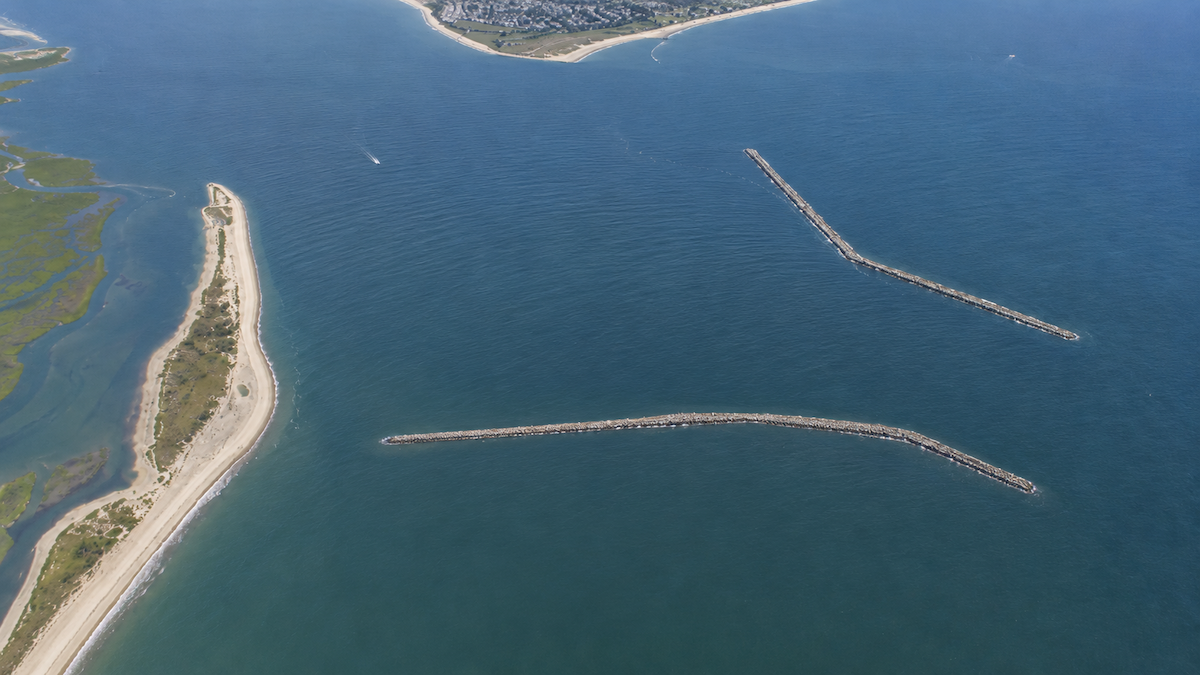
The nearshore waters around Breach Inlet and the deeper sections of Charleston Harbor shouldn't be overlooked either. These areas often hold larger trout that haven't yet committed to the shallow water feeding pattern. The key is understanding how trout use these different water types throughout their daily and seasonal movements.
Bohicket Creek and the waters around Kiawah Island round out Charleston's premier spring trout destinations, offering both grass flat opportunities and deeper creek channel fishing. MarshMind scores every Charleston zone against current conditions so you know which spots are producing the most consistent action.
Reading Spring Conditions Like a Local Guide
Spring conditions in Charleston waters change rapidly, and successful trout fishing depends on reading these variables like a seasoned guide. Water clarity becomes crucial as trout rely heavily on sight feeding during this period. Clear water calls for more natural presentations and stealthier approaches, while slightly stained water allows for more aggressive tactics and brighter lure colors.
Wind direction plays a massive role in spring trout success around Charleston. The right wind can push baitfish onto feeding flats and create the current breaks that concentrate trout, while wrong winds can muddy prime areas or push bait away from accessible water. Understanding how wind affects specific areas — like how a south wind impacts the grass beds near Isle of Palms versus how it affects the creeks around North Edisto — separates consistent anglers from weekend warriors.
Barometric pressure changes trigger feeding responses in spring trout, often creating narrow windows of exceptional fishing between weather fronts. These pressure-sensitive fish become incredibly active during certain atmospheric conditions, making timing crucial for maximizing success. The interaction between pressure, tide stage, and local conditions creates complex feeding windows that change daily.
Spring also brings increased boat traffic and fishing pressure to popular Charleston areas, making fish more selective and requiring adaptations in approach and lure selection. Use MarshMind to see real-time conditions scoring across all Charleston waters so you can adapt your strategy to what's working today.
Effective Spring Trout Techniques and Presentations
Spring speckled trout in Charleston waters respond to specific presentation styles that match their aggressive feeding mood and the abundant baitfish activity. Topwater action becomes exceptional during this period, with trout readily attacking surface lures during low-light periods and when baitfish are active in shallow water. The explosive strikes on topwater plugs represent some of Charleston inshore fishing's most exciting moments.
Soft plastics rigged on jigheads become incredibly effective as they can be worked at various depths and speeds to match trout feeding behavior. A Gulp Swimming Mullet in chartreuse or white perfectly imitates the small baitfish that trout target heavily during spring. The key is matching your retrieve speed to the fish's activity level — sometimes they want fast, erratic movement, other times a slow, subtle presentation triggers more strikes.
Suspending hard baits like the MirrOlure MirrOdine excel when trout are holding in transition zones between deep and shallow water. These lures can be worked with subtle twitches to imitate wounded baitfish, a presentation that triggers strikes from larger, more selective trout. The ability to suspend these lures in the strike zone for extended periods often makes the difference on pressured fish.
Live and cut bait fishing remains deadly effective, especially when targeting larger trout that have become wary of artificial lures. Shrimp under popping corks and small finger mullet on jigheads account for many trophy-class spring trout in Charleston waters. MarshMind tracks exactly when these feeding windows open in real time — check today's bite plan for the most productive techniques.
Timing Your Spring Trout Trips for Maximum Success
Spring timing in Charleston speckled trout fishing involves understanding multiple overlapping cycles that influence fish behavior and feeding activity. Daily feeding periods become more predictable as trout establish regular patterns, but these periods shift with changing tide times, light conditions, and weather patterns. Early morning and late evening often produce the most consistent action, but mid-day fishing can be exceptional under the right conditions.
Tide timing becomes even more critical during spring as trout use tidal flow to position themselves for ambush feeding. The movement of water brings fresh baitfish into feeding areas and positions trout in predictable locations. However, the optimal tide stage varies significantly between different areas — what works in Shem Creek may be completely different from the prime time in Bulls Bay.
Weather patterns create longer-term timing considerations, with certain atmospheric conditions triggering exceptional feeding activity across multiple days. Pre-frontal conditions often create some of spring's best fishing, while post-frontal periods may require completely different approaches and areas. Understanding these patterns helps anglers plan trips when conditions align for maximum success.
Moon phase influences spring trout behavior, affecting both feeding intensity and the timing of peak activity periods. The combination of moon phase with tide timing and weather conditions creates windows of exceptional fishing that experienced Charleston anglers learn to recognize and exploit. The app scores every Charleston zone based on all these timing factors so you know when each area offers the best opportunities.
Use MarshMind for Real-Time Spring Trout Intelligence
While understanding these spring patterns gives you the foundation for successful Charleston speckled trout fishing, MarshMind provides the real-time intelligence that puts you on fish. The app analyzes current conditions across every Charleston zone, scoring each area based on factors that drive trout feeding activity right now. Today's optimal zones, effective techniques, and precise timing windows are all calculated based on live data that changes throughout the day.
[Check Today's Bite Plan on MarshMind]
 charleston
 Charleston fishing
 charleston fishing