Spring Flounder Fishing in Charleston: Where and How to Find Them
Flounder are back in the creeks. Here's where they stage, what they eat, and how to put flatties on the deck this spring.
Spring Flounder Fishing in Charleston: Where and How to Find Them
Spring flounder fishing in Charleston separates the serious anglers from the weekenders. As water temperatures climb and these flatfish emerge from their winter hideouts, understanding their movements around the Lowcountry's creeks and inlets becomes the difference between a cooler full of doormat flounder and an empty ride home.
Understanding Spring Flounder Migration Patterns
Charleston's spring flounder bite follows a predictable pattern tied to warming water and spawning urges. These fish winter in deeper channels and creek mouths, then begin their gradual move toward shallow feeding areas as temperatures rise. The Ashley River system, Stono River, and Wando River tributaries all see this migration, but timing varies based on water flow and weather patterns.
Flounder position themselves strategically during this transition. They'll ambush prey from creek bends, oyster bar edges, and drop-offs where current creates feeding opportunities. The key is recognizing that spring flounder aren't randomly scattered—they're following temperature breaks and baitfish concentrations. Areas like Shem Creek and the creeks around James Island become productive because they offer the structure and current these fish need to feed efficiently.
Understanding this movement helps you anticipate where flounder will be, rather than just fishing where you caught them last week. Spring patterns shift quickly in Charleston's inshore waters, making adaptability crucial.
Prime Charleston Locations for Spring Flounder
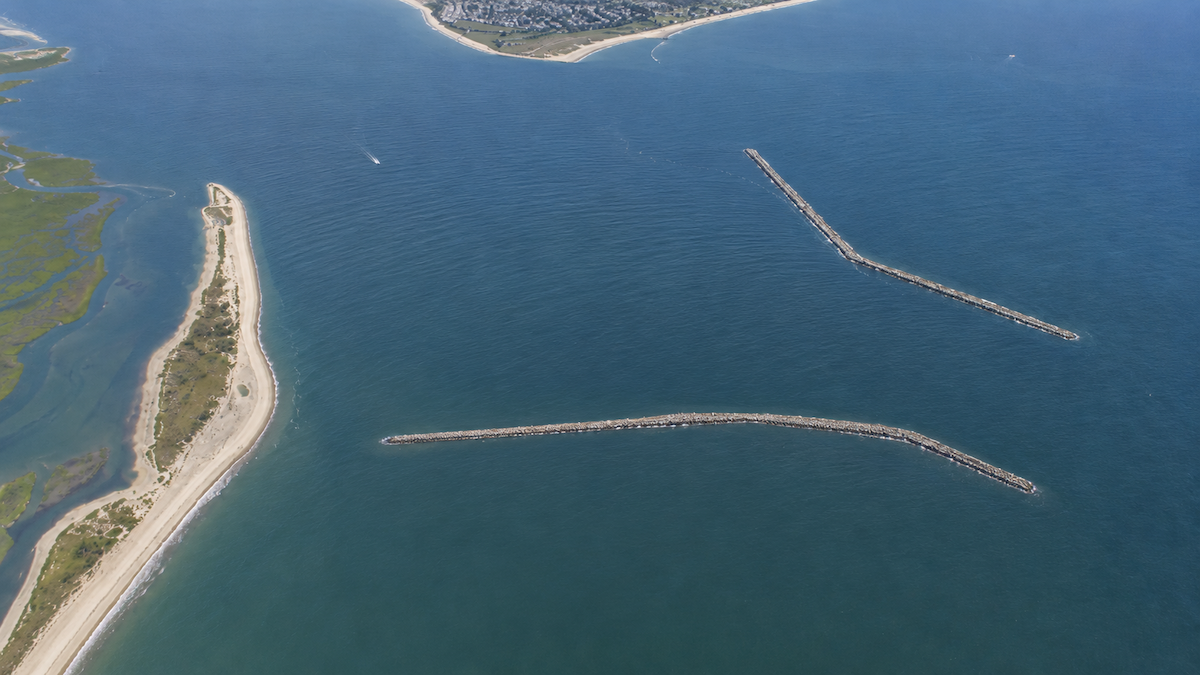
Charleston Harbor's network of creeks and islands creates ideal flounder habitat throughout spring. The Breach Inlet area produces consistently as flounder stage near the inlet mouth before moving into Bulls Bay. Folly Beach's back creeks warm faster than main rivers, drawing fish early in the season.
Morris Island's southern tip and the creeks around Kiawah Island offer excellent spring action, particularly where current meets structure. The ACE Basin system, including Bohicket Creek, provides extensive shallow water habitat that flounder target as baitfish populations explode.
Johns Island's creek network holds fish throughout the spring transition. These areas offer the depth variation flounder need—deep holes for comfort, adjacent shallows for feeding. Sullivan's Island and Isle of Palms both have productive creek systems that warm quickly and hold bait.
The North Edisto River system often gets overlooked, but its oyster-rich waters produce trophy flounder. These fish use the river's natural structure and current to feed aggressively through spring's warming trend. MarshMind tracks these location-specific patterns, helping anglers identify which zones are producing based on current conditions rather than outdated reports.
Effective Spring Flounder Techniques
Spring flounder fishing success hinges on understanding how these fish feed. Unlike summer flounder that may chase faster presentations, spring fish are often sluggish and require slower, more deliberate approaches. Bottom-bouncing techniques dominate, but presentation matters more than speed.
Bucktail jigs tipped with soft plastics like DOA Shrimp work exceptionally well because they mimic the natural movement of prey along the bottom. The key is maintaining contact with structure while allowing the current to work your presentation naturally. Flounder ambush from the bottom up, so keeping baits in their strike zone is crucial.
Drift fishing allows you to cover water efficiently while maintaining the slow presentation spring flounder prefer. Let the tide move your boat while working baits along creek edges and oyster bars. This technique is particularly effective in Charleston's larger creek systems where covering ground helps locate active fish.
The retrieve should mimic wounded baitfish—short hops along the bottom with pauses that trigger strikes. Spring flounder often follow baits before committing, so patience during the retrieve pays off. Working the same productive water multiple times during a tide often produces fish that weren't active on the first pass.
Reading Spring Tides and Conditions for Flounder Success
Charleston's tidal system drives spring flounder activity, but understanding how these fish use tide movement gives you a significant advantage. Moving water concentrates baitfish and creates feeding opportunities, but the stage of tide determines where flounder position themselves.
Incoming tides push baitfish into creek systems, drawing flounder to channel edges and points where they can ambush prey. Outgoing tides concentrate fish at creek mouths and channel bends. The key is fishing structure that funnels baitfish during tide movement rather than just fishing during "moving water."
Water clarity plays a crucial role in Charleston inshore fishing during spring. Recent rains can cloud water and push flounder to areas with better visibility. Conversely, gin-clear water after stable weather may require more subtle presentations and lighter tackle.
Wind direction affects water temperature and bait positioning. Southwest winds warm shallow areas faster, potentially activating flounder earlier in marginal conditions. Northeast winds can slow warming but often improve water clarity. Understanding these variables helps predict where flounder will be most active rather than just when they'll feed.
Spring flounder fishing in Charleston rewards anglers who understand fish behavior and habitat selection over those who rely on luck or outdated reports. While these patterns provide the foundation for success, MarshMind delivers the current intelligence that transforms general knowledge into today's fishing plan—tracking which specific zones are producing, current water conditions, and real-time bite intensity across Charleston's inshore waters.
[Check Today's Bite Plan on MarshMind]
 charleston
 Charleston fishing
 charleston fishing