Spring Fishing Charleston SC: What's Biting Right Now
A real-time breakdown of what Charleston inshore anglers are targeting in spring — which species are active, where they're holding, and what conditions are triggering the best bites right now.
Spring Fishing Charleston SC: What's Biting Right Now
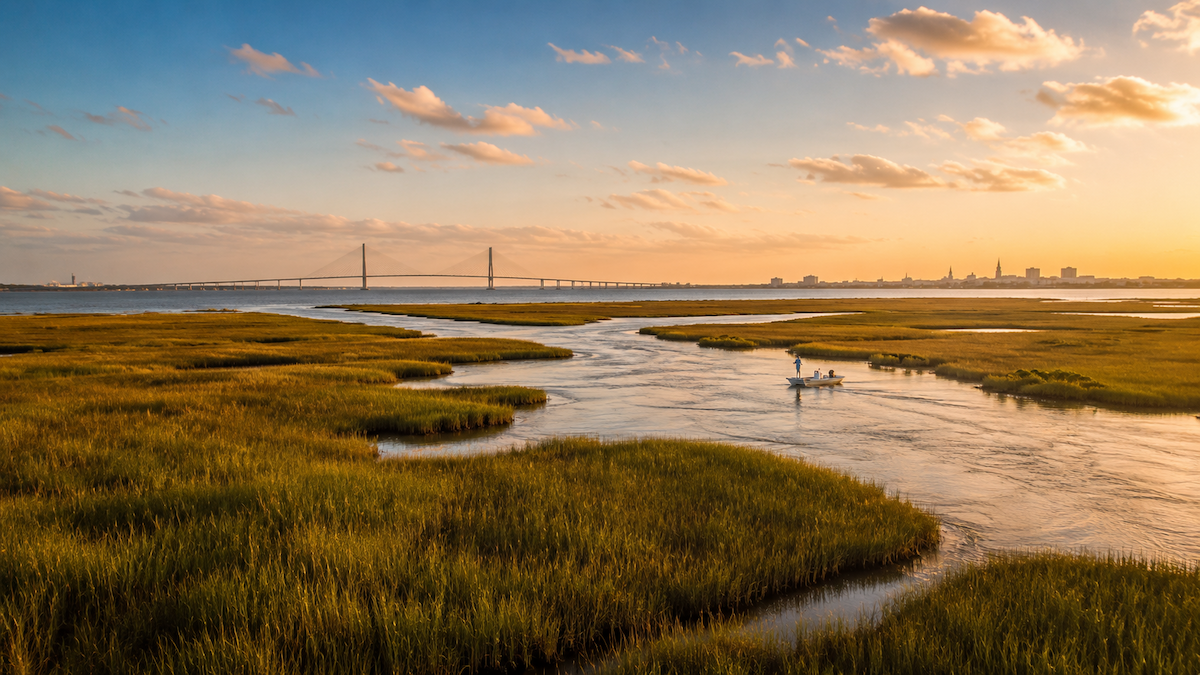
Spring transforms Charleston's inshore waters into some of the most productive fishing grounds on the East Coast. From the shallow grass flats of Bulls Bay to the deep channels of Charleston Harbor, warming waters trigger feeding frenzies that define Lowcountry fishing. Whether you're targeting redfish in the ACE Basin or speckled trout around Shem Creek, understanding spring patterns separates casual anglers from those who consistently boat fish.
Charleston Redfish: Spring Movement Patterns
Spring redfish behavior in Charleston SC fishing revolves around the transition into aggressive warm-water feeding. SC redfish spawn September through November in nearshore and offshore waters — by spring they are months past spawning and fully committed to their warm-weather feeding mode. As water temperatures climb through the 60s, redfish shift from tight winter holding patterns into active spring feeding mode. The Stono River system becomes a redfish highway, with fish staging in deeper holes before spreading across the flats. Wando River backwaters warm first, drawing schools of slot reds into skinny water where sight fishing becomes electric.
These spring reds are less spooky than their summer counterparts, often feeding aggressively in water shallow enough to show their backs. Folly Beach marshes come alive with tailing fish, while the expansive flats around Kiawah Island offer miles of prime redfish territory. A gold spoon or white paddle tail creates commotion that triggers strikes from fish that haven't seen heavy pressure since fall.
MarshMind tracks exactly which Charleston zones are holding the most active redfish schools right now.
Speckled Trout: The Spring Bite Heats Up
Charleston speckled trout fishing hits its stride as water temperatures climb and baitfish become more active. These fish abandon their winter haunts in deep creek mouths and spread across grass flats from the Ashley River to North Edisto. Spring trout are aggressive feeders, making up for months of slow winter metabolism with violent strikes on moving baits.
The key lies in understanding how trout relate to structure and current during this transition. Morris Island jetties hold trout when tides are moving, while the grass beds around James Island offer consistent action during slack periods. Breach Inlet becomes a trout magnet when conditions align, with fish ambushing bait in the current breaks.
A MirrOlure MirrOdine worked with subtle twitches mimics wounded baitfish perfectly, while soft plastics like Gulp Swimming Mullet in chartreuse trigger reaction strikes from scattered fish. The bite windows can be explosive but brief, making timing critical.
Use MarshMind to see which grass flats are scoring highest for speckled trout based on current conditions.
Flounder: Flatfish Come Alive in Spring
Spring flounder fishing in the Lowcountry centers on ambush points where these flatfish wait for unsuspecting prey. As water temperatures rise, flounder leave their deep winter holes and position themselves along channel edges, creek mouths, and structure breaks throughout Charleston Harbor. The transition zones between deep water and shallow flats become prime real estate for these opportunistic feeders.
Johns Island creek systems warm quickly in spring, attracting both flounder and the baitfish they feed on. Bohicket Creek offers miles of prime flounder water, with fish positioning themselves along oyster bars and drop-offs. The key is understanding how these fish use current and structure to their advantage, setting up in spots where the water flow delivers food right to them.
Live bait presentations work exceptionally well, but soft plastics dragged slowly along the bottom can be just as effective. A bucktail jig tipped with a Gulp shrimp creates the perfect combination of flash and scent that triggers strikes from fish that might otherwise ignore faster-moving lures.
MarshMind scores every Charleston creek system for current flounder activity so you know where to focus your efforts.
Sheepshead: Structure Specialists Wake Up
Charleston's sheepshead fishing explodes in spring as these structure-oriented fish become increasingly active around docks, jetties, and oyster bars. The warming water triggers spawning behavior, making these normally finicky fish more aggressive and predictable. Isle of Palms piers become hotspots, while Sullivan's Island jetties hold concentrations of feeding fish.
Spring sheepshead are creatures of habit, relating to specific pieces of structure where they can ambush crabs and other crustaceans. The pilings around Shem Creek marinas hold fish year-round, but spring brings peak activity levels. These fish require precise presentations and quick hooksets, as their crushing bite can be lightning fast.
Fiddler crabs remain the gold standard for sheepshead bait, but fresh shrimp and oysters can be equally effective when presented properly. The key lies in getting baits tight to structure where these fish feel comfortable feeding, often requiring pinpoint casting accuracy.
Check MarshMind for real-time sheepshead activity around Charleston's key structure zones.
Baitfish Patterns Drive Everything
Understanding baitfish movements is crucial for successful Charleston inshore fishing during spring. As water temperatures rise, massive schools of menhaden, mullet, and shrimp become active throughout our creek systems. These baitfish concentrate in specific areas based on water conditions, salinity levels, and available food sources, creating the foundation for all predator fishing.
The Ashley River often holds early season bait concentrations, while Bulls Bay becomes a baitfish superhighway as conditions warm. When you locate the bait, you'll find the game fish. Spring offers some of the year's best opportunities to fish around active bait schools, with multiple species often feeding simultaneously.
This is where local knowledge becomes invaluable. Baitfish patterns shift daily based on conditions, and what worked yesterday might be completely different today. Having current intelligence on where the bait is concentrated gives you a massive advantage over anglers fishing blind.
MarshMind's live baitfish tracking shows you where the action is happening right now across all Charleston zones.
Use MarshMind for Real-Time Spring Fishing Intelligence
While understanding seasonal patterns gives you the foundation for successful Charleston SC fishing, the real edge comes from knowing what's happening today. MarshMind processes current conditions across every Charleston fishing zone, scoring areas for species activity and giving you today's bite plan. The app tracks everything this article can't: live zone scores, current water conditions, and real-time reports from the water.
[Check Today's Spring Bite Plan on MarshMind]
 charleston
 Charleston fishing
 charleston fishing