How to Read Tidal Windows for Inshore Fishing in Charleston
Tide is the single biggest factor in Charleston inshore fishing success. Learn how to identify prime feeding windows, understand tidal stage and direction, and time your trips around moving water for more fish.
How to Read Tidal Windows for Inshore Fishing in Charleston
Understanding tidal windows is the difference between a successful day on Charleston's waters and coming home empty-handed. The Lowcountry's complex network of creeks, rivers, and flats creates unique tidal dynamics that drive fish behavior throughout the day. Smart anglers know that species like redfish, trout, and flounder follow predictable patterns based on water movement, making tide timing your most valuable fishing tool.
Understanding Charleston's Tidal Dynamics
Charleston's inshore waters experience a semi-diurnal tidal cycle with two high tides and two low tides every 24 hours. The tidal range varies dramatically throughout the month, from 4-foot neap tides to 8-foot spring tides during new and full moons.
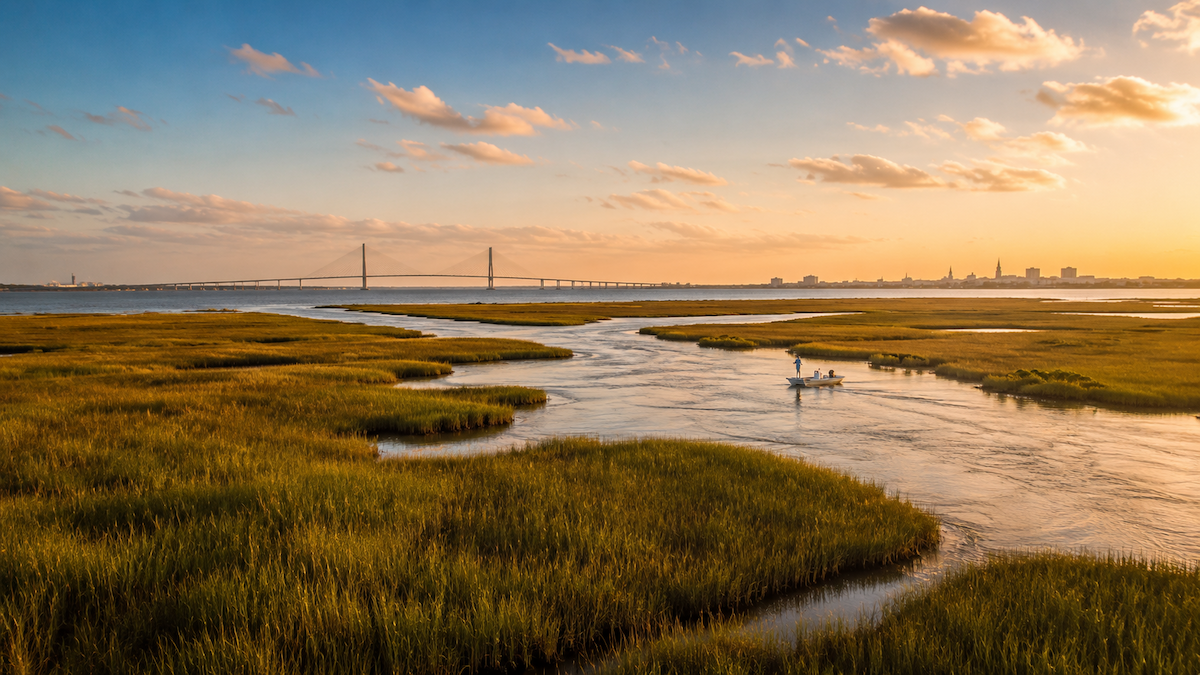
The Ashley, Cooper, and Wando Rivers create the primary tidal arteries, but it's the secondary creeks like Shem Creek, Folly River, and the North Edisto system where understanding tidal lag becomes crucial. Water in Charleston Harbor moves first, followed by the creeks 30-60 minutes later depending on distance and depth.
Key timing considerations:
- Harbor areas: Follow published tide times exactly
- Primary creeks (Shem, Folly River): Add 15-30 minutes
- Back creeks (Ben Sawyer area, North Edisto tributaries): Add 45-90 minutes
- Shallow flats: Experience compressed tidal windows
This lag creates opportunities. While harbor redfish may be moving on the falling tide, back creek fish are still feeding on high water, extending your fishing window significantly.
Prime Feeding Windows by Species
Redfish Tidal Preferences
Redfish in Charleston waters show distinct tidal preferences that vary by season and location. During warmer months (May-October), reds feed aggressively on the first two hours of incoming tide, particularly around oyster bars and grass flats.
Folly River and Kiawah Island flats: Target the incoming tide 1-2 hours before high water. Redfish push onto the flats following blue crabs and shrimp. The sweet spot ends when water gets too deep, typically at three-quarter tide.
Shem Creek and Mount Pleasant creeks: Focus on the last hour of outgoing tide through the first hour of incoming. Reds ambush baitfish in the moving water around dock pilings and creek mouths.
Ashley River flats near Magnolia Plantation: Work the falling tide as redfish follow retreating water, concentrating in deeper creek channels. This pattern reverses in winter when reds prefer warmer, deeper water during slack tides.
Speckled Trout Windows
Speckled trout are structure-oriented and respond predictably to tidal movement. The key is understanding how water flow affects their ambush points.
Moving water periods: Target trout during moderate tidal flow (mid-incoming to mid-outgoing). Strong current pushes them off structure, while slack water scatters baitfish.
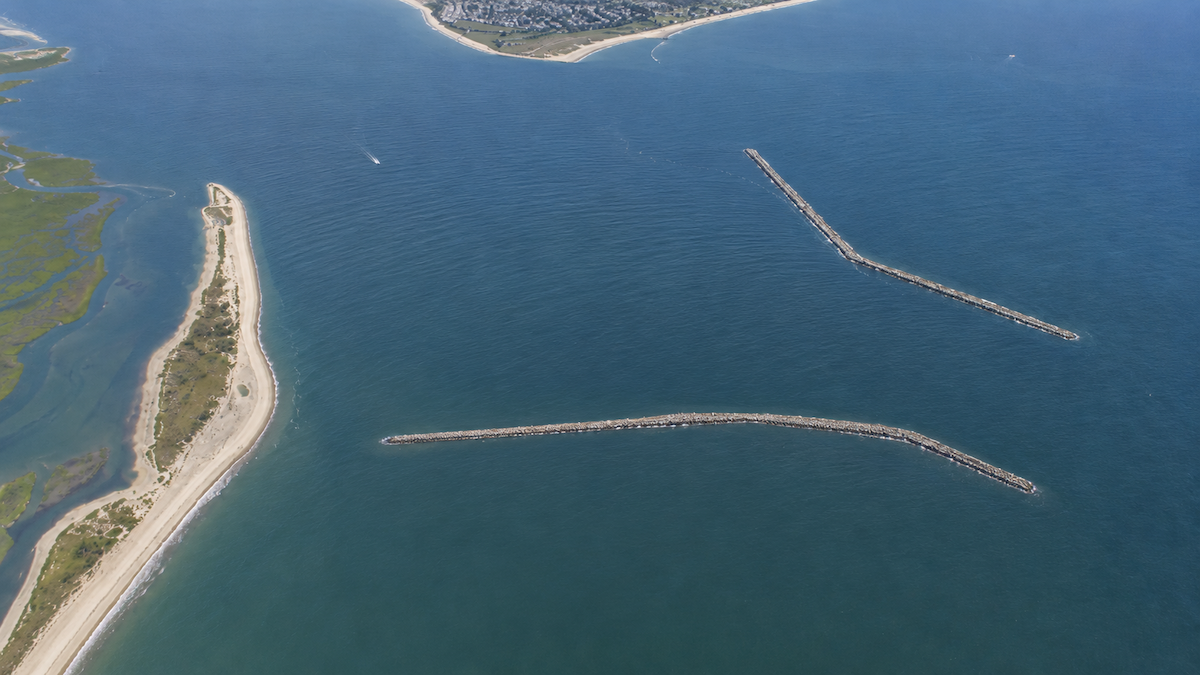
Charleston Harbor jetties: Fish the incoming tide as trout position on the up-current side of rocks, waiting for disoriented baitfish. Switch to the down-current side on the outgoing tide.
Wando River grass beds: Target early morning incoming tides when trout cruise grass edges. The combination of tidal flow and low-light conditions creates ideal feeding scenarios.
Flounder Migration Patterns
Flounder behavior shifts dramatically with tidal movement and seasonal patterns. Spring through early summer (March-June), target creek mouths and channel edges during moving water.
Sullivan's Island to Breach Inlet: Fish the outgoing tide as flounder position at creek mouths, waiting for disoriented bait washing out of shallow areas. The current concentrates both predator and prey.
Folly Beach near the Washout: Work incoming tides during summer months when flounder move onto shallow flats following finger mullet schools.
Reading Water Movement and Structure
Charleston's tidal waters create distinct visual cues that reveal feeding opportunities. Learning to read these signs eliminates guesswork from tide timing.
Current edges: Look for color changes, foam lines, and debris concentrations where fast and slow water meet. These areas concentrate baitfish and attract gamefish throughout the tidal cycle.
Oyster bar positioning: Fish the up-current side during incoming tides, down-current side during outgoing. Water deflection around bars creates feeding ambush points predictable by tidal direction.
Creek mouth hydraulics: During strong outgoing tides, creeks create washout holes where predators wait. These spots become productive 1-2 hours into the outgoing tide and remain active until slack water.
Grass bed edges: Incoming tides push baitfish into grass beds where predators can't follow. Target grass edges during peak incoming flow, then switch to open water pockets during slack periods.
Visual indicators of prime tidal windows:
- Nervous water: Baitfish activity increases during optimal flow periods
- Bird activity: Diving birds indicate baitfish concentrations driven by tidal flow
- Debris lines: Show current edges where gamefish ambush prey
Seasonal Tidal Patterns and Adjustments
Charleston's seasonal patterns dramatically affect how fish respond to tidal movement. Understanding these shifts helps predict the most productive windows throughout the year.
Spring Patterns (March-May)
Water temperatures rising from 60-75°F create aggressive feeding behavior. Target longer tidal windows as fish become more active.
Redfish: Move onto flats earlier in the tidal cycle, often feeding through slack water
Trout: Extend feeding periods around structure, particularly during warming afternoon tides
Flounder: Begin shallow water migrations, making incoming tides most productive
Summer Patterns (June-August)
Hot water temperatures compress feeding windows to early morning and late afternoon tides. Fish seek cooler, deeper water during midday slack periods.
Dawn and dusk tides: Regardless of tidal stage, low-light periods trump tidal timing during peak summer
Deep water structure: Target channel edges and deep holes during slack high tide when fish seek cooler water
Moving water: Prioritize any tidal flow during summer months, as oxygen levels increase in flowing water
Fall Patterns (September-November)
Cooling water temperatures extend feeding windows and create the year's most consistent fishing. Fall also brings stronger tidal ranges during harvest moon periods.
Extended feeding: Fish remain active through longer tidal periods
Baitfish migrations: Follow mullet runs and shrimp movements that coincide with tidal flow
Weather fronts: Pre-front feeding often overrides normal tidal patterns
Winter Patterns (December-February)
Cold water limits fish activity to the warmest parts of the day, typically afternoon slack high tides when sun-warmed shallows provide optimal conditions.
Temperature trumps tides: Focus on warm, sunny days regardless of tidal timing
Deeper water staging: Target deeper creek channels and holes during slack water periods
Shortened windows: Concentrate efforts during the 2-3 hour period around afternoon high tide
Maximizing Your Tidal Window Strategy
Successful Charleston anglers layer multiple factors beyond basic tide timing. Weather, moon phase, and seasonal baitfish movements all influence how fish respond to tidal changes.
Moon phase considerations: Spring tides during new and full moons create stronger currents and extended feeding windows. Plan longer trips during these periods, but prepare for more challenging boat handling.
Weather integration: Incoming weather fronts often trigger feeding regardless of tidal stage. Monitor barometric pressure drops and plan accordingly.
Baitfish timing: Match your tidal strategy to seasonal baitfish movements. Spring mullet runs follow warming water temperatures, while fall migrations coincide with cooling trends and stronger tidal flows.
Location stacking: Plan multiple spots based on tidal lag. Start in Charleston Harbor, then move to primary creeks, finishing in back areas as the tide progresses.
Understanding Charleston's tidal windows transforms random fishing into strategic hunting. Each species responds predictably to water movement, and recognizing these patterns puts you in the right place at the right time consistently. Success comes from combining tidal knowledge with seasonal patterns and local structure understanding.
For real-time tidal conditions, current fishing reports, and spot-specific timing recommendations, check MarshMind's Charleston fishing intelligence. Our local network provides up-to-the-minute conditions and bite reports to help you time your next trip perfectly.
 charleston
 Charleston fishing
 charleston fishing