Why the First Hour of Moving Tide is the Best Fishing of the Day
Most anglers think about high tide or low tide. The ones who consistently catch fish think about something else entirely — the moment the water starts moving.
Why the First Hour of Moving Tide is the Best Fishing of the Day
Most anglers plan their trips around high tide or low tide. They check the chart, see "high at 11:25 AM," and show up at 11:25.
That's the wrong approach.
The anglers who consistently put fish in the boat aren't thinking about tide stage. They're thinking about tide movement — and specifically, the first 60 to 90 minutes after the water starts moving in either direction.
Here's why that window matters more than anything else on the tide chart.
Slack Water is Dead Water
At the peak of high tide and the bottom of low tide, current stops. The water goes still. And when current stops, everything in the food chain pauses.
Bait stops moving. Shrimp settle into the grass. Mullet school up and hold. There's no current to push food past a predator's nose, so redfish, trout, and flounder stop actively feeding and just sit.
Every guide in Charleston knows the feeling. You're on a zone that was on fire 45 minutes ago, and now nothing. Rods go quiet. The water looks like glass. That's slack tide doing its thing.
Then the Water Starts Moving
The moment the tide turns — whether it's starting to come in or starting to go out — everything changes.
Current begins to flow. That flow does three things simultaneously:
It moves bait. Shrimp that were holding in the grass suddenly get swept into open water. Mullet start repositioning. Crabs that were tucked into mud start getting exposed. All of this movement creates opportunity for predators.
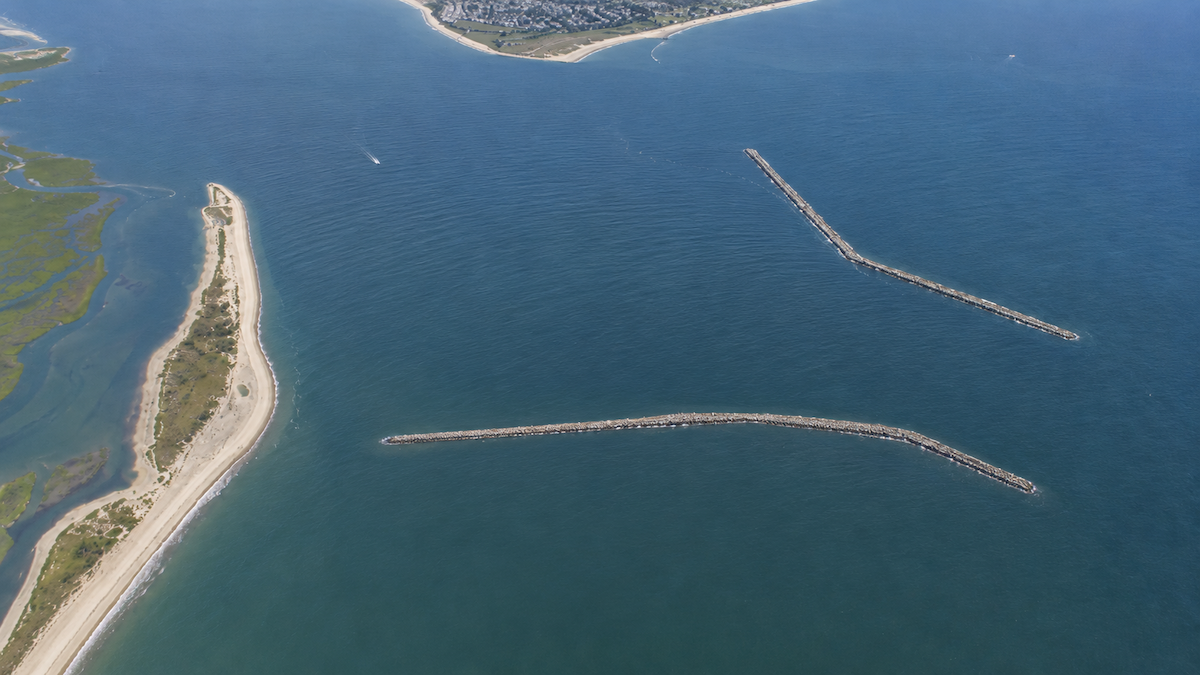
It creates feeding lanes. Current doesn't flow evenly — it funnels through creek mouths at Shem Creek and Breach Inlet, wraps around oyster bars in the Stono River, and creates seams where fast water meets slow water along the Wando. Those seams are where trout and reds set up to ambush. They sit in the calm water and pick off whatever the current delivers.
It concentrates everything. On a slack tide, bait and fish are scattered across a flat or a creek. Once current starts, everything funnels toward the same structural features — drain points at Folly Beach Inlet Creek, channel edges in the Ashley River, dock pilings along Sullivan's Island. The zone gets smaller and the action gets denser.
Why the FIRST Hour Specifically
Current isn't constant throughout a tide cycle. It starts slow, builds to peak flow around the middle of the cycle, then slows again as the next slack approaches.
That first hour is special for a specific reason: it's the transition window. Fish that were holding and waiting during slack are suddenly activated by the first push of moving water. They haven't eaten in an hour or more. They're hungry and the buffet just opened.
By mid-tide, the current is stronger but the initial feeding frenzy has settled. Fish have eaten and are more selective. The easy meals got picked off in the first 60 minutes.
Think of it this way — the first hour of the incoming tide at a creek mouth in McClellanville is like the first 30 minutes of a restaurant opening. Everyone's hungry. Everyone's eating. By an hour in, the rush is over and it slows down.
How to Fish the First Hour
Be in position before the tide turns. This is the most important thing. If high tide is at 11:25 AM, the outgoing will start moving around noon. Be on your spot by 11:45. Rigged up. Line in the water. Ready.
Running across Charleston Harbor at noon means you miss the best 20 minutes of the day.
Fish the drain points on outgoing. When the tide starts falling, water exits the marsh through creek mouths, culverts, and cuts between Kiawah and Bohicket Creek. Bait gets flushed out and predators stack at these exit points. Position yourself where the water narrows and let the current bring the fish to you.
Fish the entry points on incoming. The opposite scenario — rising water pushes bait up into creeks and onto flats near Isle of Palms and Capers Island. Reds follow the bait in. Work the mouth of the creek or the edge of the flat where incoming water first meets the shallows.
Match your presentation to the current speed. Early in the tide movement, current is gentle. A Berkley Gulp Shrimp under a popping cork or a slow-retrieved soft plastic works well. As current builds through spots like Breach Inlet, switch to a heavier jig head or a Carolina rig with a circle hook that keeps your bait in the strike zone instead of getting swept past the fish.
The Charleston Application
This isn't just theory — it's how Charleston's inshore system works every single day, twice a day.
The Lowcountry's tidal range averages about 5 feet. That's a massive volume of water moving in and out of every creek, river, inlet, and flat in the system. When that water starts moving, the entire food chain responds.
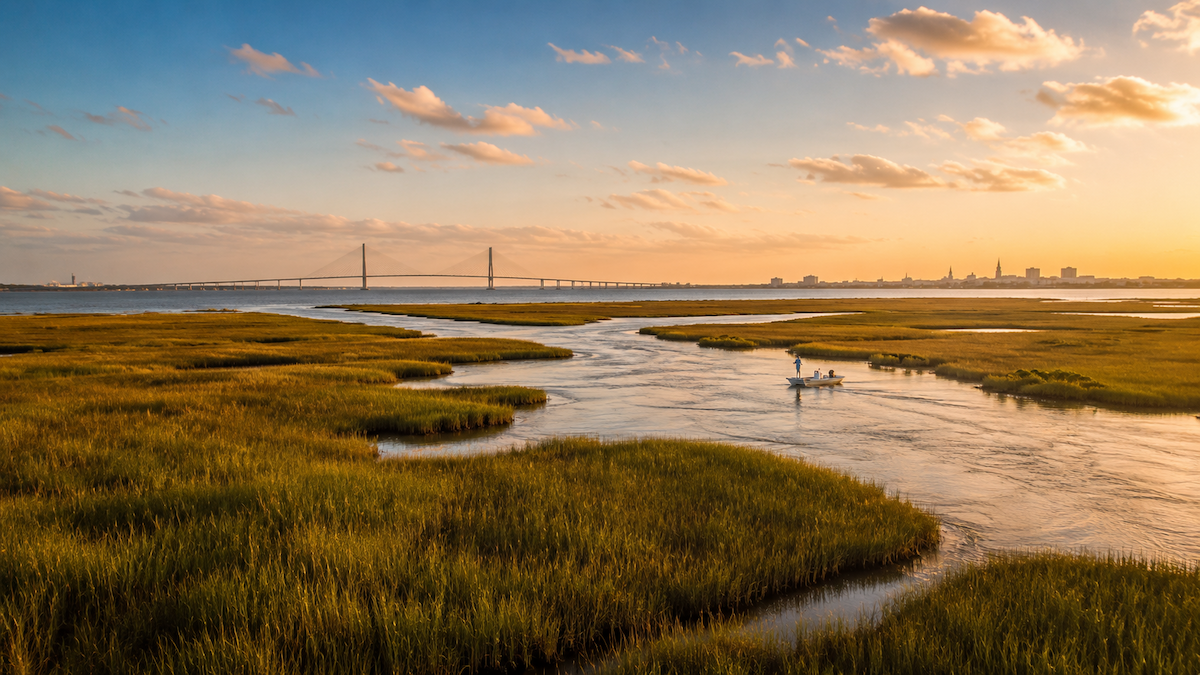
Creek mouths like Shem Creek, Breach Inlet, and the Folly River outflow are textbook examples. At slack high tide, these spots are calm and quiet. Thirty minutes into the falling tide, they transform into conveyor belts of bait flowing out of the marsh — and every redfish within range knows it.
The same thing happens on the incoming side at grass flats near Dewees Island and the Cape Romain shoreline. Water starts pushing up, bait moves in, and reds follow right behind.
MarshMind tracks exactly where each zone sits in the tide cycle and scores it accordingly — so you always know which zones are entering that prime first-hour window right now.
The Takeaway
Stop planning trips around tide stage. Start planning around tide movement.
Check when high or low tide is, subtract 30 minutes, and be on your water. That first hour of flow is the window. Everything before it is waiting. Everything after it is good but diminishing.
The fish don't care if it's high tide or low tide. They care if the water is moving. Give them moving water and put your bait where the current concentrates — and you'll wonder why you ever fished slack tide at all.
 charleston
 Charleston fishing
 charleston fishing