Creek Mouth Fishing — Why Charleston's Best Bites Happen on Moving Water
Creek mouths are Charleston's most reliable inshore structure. Here's why they concentrate baitfish, how tide phase determines everything, and which local creek mouths consistently produce redfish, trout, and drum.
Creek Mouth Fishing — Why Charleston's Best Bites Happen on Moving Water
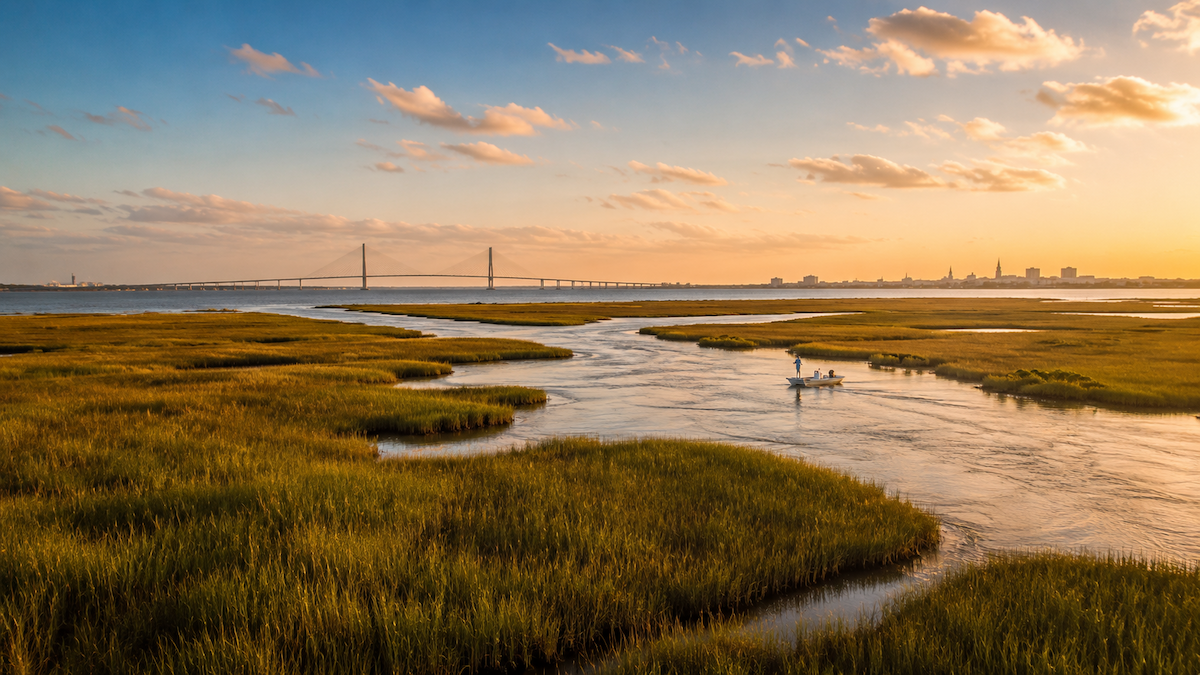
Charleston's tidal creeks are the heartbeat of Lowcountry fishing, but the real magic happens where these arteries meet open water. From the Stono River's sprawling mouth to the tight confines of Shem Creek's entrance, creek mouth fishing represents some of the most productive and predictable angling in the Charleston SC fishing scene. These transition zones create natural feeding highways where redfish, speckled trout, and flounder ambush baitfish caught between shallow sanctuary and deep water escape routes. Understanding why moving water triggers feeding frenzies at these critical junctions separates weekend warriors from consistently successful Charleston inshore fishing guides.
Why Creek Mouths Are Charleston's Prime Feeding Zones
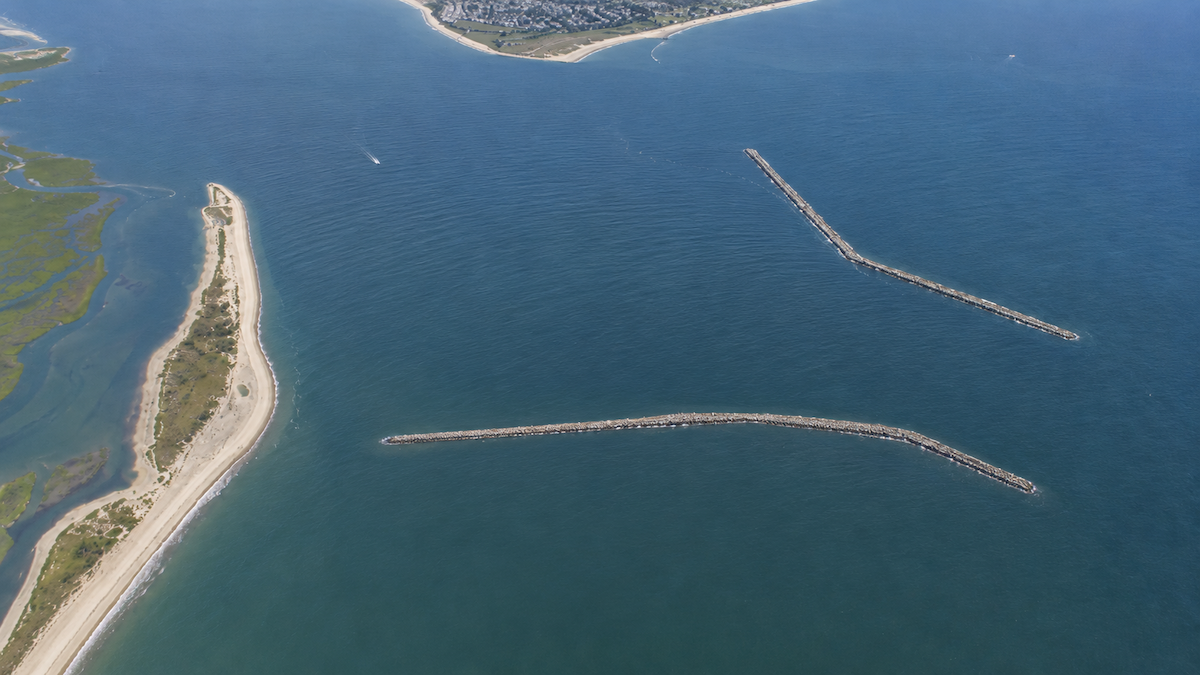
Creek mouths function as nature's perfect ambush points throughout the Charleston Harbor system. When water moves in and out of creeks like Bohicket Creek or Bulls Bay tributaries, it carries concentrated baitfish, shrimp, and crabs through narrow funnels where predators can easily corner their prey. The bathymetry changes at these intersections create current breaks and eddies that disorient baitfish while giving gamefish strategic holding positions.
The Wando River mouth exemplifies this dynamic perfectly — its wide entrance creates multiple current seams where different water temperatures and salinities mix. Redfish and trout position themselves along these invisible highways, using the moving water to bring food directly to them rather than actively hunting in open water. This energy-efficient feeding strategy makes creek mouths incredibly predictable during periods of good water movement.
MarshMind tracks which Charleston creek mouths are producing the strongest bite indicators based on current flow patterns.
Reading Water Movement Patterns at Creek Entrances
Successful creek mouth fishing hinges on understanding how water behaves when transitioning between confined and open areas. At locations like the Ashley River entrance or Morris Island's back creeks, incoming water creates compression zones where baitfish get pushed together in tight schools. Outgoing water reverses this effect, pulling everything from shallow nursery areas toward deeper sanctuary.
The key is recognizing that different creek mouth configurations produce different feeding opportunities. Wide mouths like those feeding Charleston Harbor create extensive edge zones and multiple feeding lanes. Narrow entrances like certain Kiawah Island creeks concentrate the action into smaller, more intense feeding zones. Smart anglers learn to read these water signatures and position themselves where the most productive current seams form.
Structure around creek mouths amplifies these effects dramatically. Oyster bars, channel edges, and depth changes all influence how water moves and where predators set up. A shallow bar extending from the mouth creates upwelling that brings bottom-dwelling prey to the surface, while deep holes provide ambush points for larger fish.
Use MarshMind to see which creek mouth zones are scoring highest for moving water conditions right now.
Species Behavior During Tidal Movement
Different gamefish species utilize creek mouth feeding opportunities in distinctly different ways throughout the Charleston inshore fishing waters. Redfish are perhaps the most predictable creek mouth feeders, using their superior sense of smell and lateral line system to track prey in turbulent water. They typically position themselves in calmer water adjacent to strong current while waiting for the flow to deliver disoriented baitfish and crustaceans.
Speckled trout approach creek mouths more opportunistically, often suspending in the water column where they can intercept baitfish being swept along by the current. At spots like Folly Beach's back creeks or Isle of Palms tributaries, trout will move up and down in the water column following temperature and oxygen gradients created by mixing waters. Their feeding becomes most aggressive when baitfish schools get compressed against structure or shoreline features.
Flounder represent the ultimate creek mouth ambush predators, burying themselves along current edges where they can surprise prey swept overhead. The sand and mud bottoms common around Charleston creek entrances provide perfect camouflage opportunities. These species-specific behaviors mean successful anglers adjust their presentations and positioning based on their target species.
MarshMind analyzes current species patterns at Charleston creek mouths so you know which targets are most active.
Seasonal Patterns That Drive Creek Mouth Action
Creek mouth productivity in Charleston waters follows distinct seasonal rhythms tied to water temperature, baitfish movements, and spawning cycles. Spring brings the year's most explosive creek mouth action as warming water triggers massive baitfish migrations from winter sanctuary areas. Locations like the Stono River system and North Edisto creeks become magnets for hungry gamefish following these migrations.
Summer patterns shift toward early morning and late evening creek mouth fishing as water temperatures force fish to seek cooler, more oxygenated water found in areas of good circulation. The mixing zones at creek entrances often provide these optimal conditions when open flats become too warm. Fall represents peak season for creek mouth fishing as cooling water temperatures reactivate daytime feeding and baitfish begin their winter migrations.
Winter creek mouth fishing becomes more about finding deeper holes and warmer water pockets where fish concentrate during cold fronts. The ACE Basin's numerous creek systems provide excellent winter opportunities as fish move toward more stable temperature zones. Understanding these seasonal shifts allows anglers to predict when different creek mouths will be most productive throughout the year.
Check MarshMind for seasonal bite predictions specific to Charleston's creek mouth zones.
Bait Presentation Strategies for Current Zones
Effective creek mouth fishing requires presentations that work with, rather than against, the current flow. Natural baits like live shrimp or finger mullet are deadly when presented so they tumble naturally through current seams, mimicking how real prey behaves in moving water. At productive spots like James Island creeks or Johns Island back waters, allowing baits to flow naturally through feeding zones triggers more strikes than fighting the current.
Artificial lures require different approaches depending on current strength and direction. Suspending baits like a MirrOlure MirrOdine work exceptionally well in moderate current where they can hover in the strike zone while water movement provides the action. When current is stronger, heavier jigs tipped with Gulp Swimming Mullet in chartreuse maintain bottom contact while still appearing natural to feeding fish.
The key is matching your presentation to the current strength and fish position. Strong current calls for heavier baits that can reach feeding fish, while lighter current allows for more subtle presentations. Successful creek mouth anglers carry a range of weights and bait styles to match changing conditions throughout a single tide cycle.
MarshMind provides real-time current strength data for Charleston creek mouths so you can select the right presentation approach.
Structure and Bottom Features That Concentrate Fish
Creek mouth productivity isn't just about water movement — bottom structure and shoreline features create the specific spots where fish concentrate during feeding periods. Oyster bars extending from creek entrances create current deflection points that trap baitfish and provide ambush cover for predators. The Sullivan's Island area creeks demonstrate this perfectly, with extensive oyster structures creating multiple feeding opportunities within single creek systems.
Channel edges where deep water meets shallow provide another critical structural element. Fish use these depth changes as highways for moving between feeding and resting areas. At locations like Breach Inlet or Charleston Harbor entrances, these channels concentrate fish movement and create predictable fishing opportunities. Downed trees and dock structures add vertical cover that attracts baitfish and provides ambush points for gamefish.
Sand bars and mud flats adjacent to creek mouths shouldn't be overlooked either. These areas warm quickly during incoming tides, attracting prey species that in turn draw predators. The combination of structure, depth change, and current creates the complex environment that makes creek mouth fishing so productive throughout the Lowcountry.
Use MarshMind to identify which structural features at Charleston creek mouths are producing the best action today.
Use MarshMind for Real-Time Creek Mouth Intelligence
While understanding creek mouth concepts gives you the foundation for success, MarshMind provides the real-time data that tells you exactly which spots are firing today. The app analyzes current tidal flow, water conditions, and recent bite reports to score every Charleston creek mouth against current conditions. Whether you're targeting the Wando River system or exploring back creeks around Kiawah Island, MarshMind shows you which zones offer the highest probability fishing right now.
[Check Today's Bite Plan on MarshMind]
 charleston
 Charleston fishing
 charleston fishing