Best Redfish Spots in Charleston SC
Charleston's marsh system holds some of the best redfish fishing on the East Coast. Here's where to find them — specific zones, tidal timing, and seasonal patterns for consistent results.
Best Redfish Spots in Charleston SC: Local Guide to Lowcountry Copper
Charleston redfish are the Lowcountry's premier inshore game fish, and our pristine waters offer some of the East Coast's most consistent redfish action. From the shallow grass flats of Kiawah Island to the oyster-lined banks of the Stono River, Charleston SC fishing delivers year-round red drum opportunities that keep anglers coming back. Understanding where these copper-backed fighters prefer to feed — and why — separates the weekend warriors from the locals who consistently put fish in the boat.
Shallow Water Flats: Prime Charleston Redfish Territory
The expansive flats system throughout Charleston's inshore waters creates perfect redfish habitat. Bulls Bay offers miles of pristine grass flats where reds cruise looking for shrimp, crabs, and baitfish. The key is reading the subtle depth changes, current breaks, and grass edges where redfish ambush prey. Kiawah Island's backwater flats are legendary among Charleston anglers, providing classic sight-fishing opportunities when conditions align.
Water movement drives everything on these flats. Redfish use moving water to position themselves strategically — sometimes tight to grass edges, other times over sandy potholes where nervous bait seeks shelter. The species' feeding behavior changes dramatically based on water clarity, wind direction, and seasonal bait patterns. A MirrOlure Top Dog walked slowly over shallow grass can trigger explosive strikes from cruising reds.
MarshMind tracks which Charleston flats are scoring highest for redfish based on current tide, wind, and water conditions.
Creek Systems and Tidal Rivers
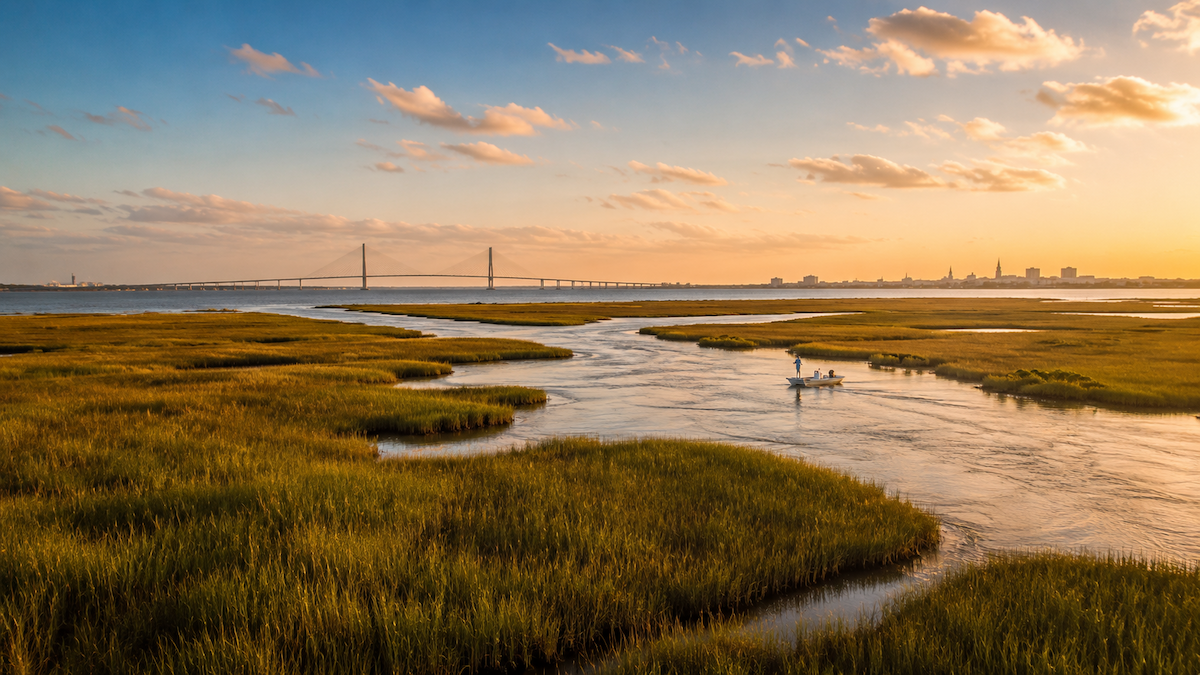
Charleston's intricate creek network provides incredible redfish fishing, especially along the Wando River, Ashley River, and countless smaller tributaries. These systems offer structure, current breaks, and the perfect mix of shallow feeding areas and deeper holding water. Redfish use these creeks as highways, moving with the tides between feeding and resting areas.
Creek mouth areas where tributaries meet larger rivers create natural ambush points. Redfish stack up in these transition zones, using the converging currents to their advantage. The ACE Basin's remote creek systems harbor some of Charleston's largest redfish, though accessing these areas requires local knowledge and proper planning.
Oyster bars within creek systems act as redfish magnets. These structures provide cover for crabs and small fish while creating current deflections that concentrate bait. A Berkeley Gulp Swimming Mullet in chartreuse bounced along oyster edges produces consistent results in these environments.
Use MarshMind to see which Charleston creek systems are producing the hottest redfish action today.
Charleston Harbor and Inlets
Charleston Harbor itself offers excellent redfish opportunities, particularly around Morris Island and the various spoil banks scattered throughout the system. These areas combine deeper water access with nearby shallow feeding zones, creating the perfect redfish setup. Isle of Palms and Sullivan's Island waters provide similar structure with easier boat access.
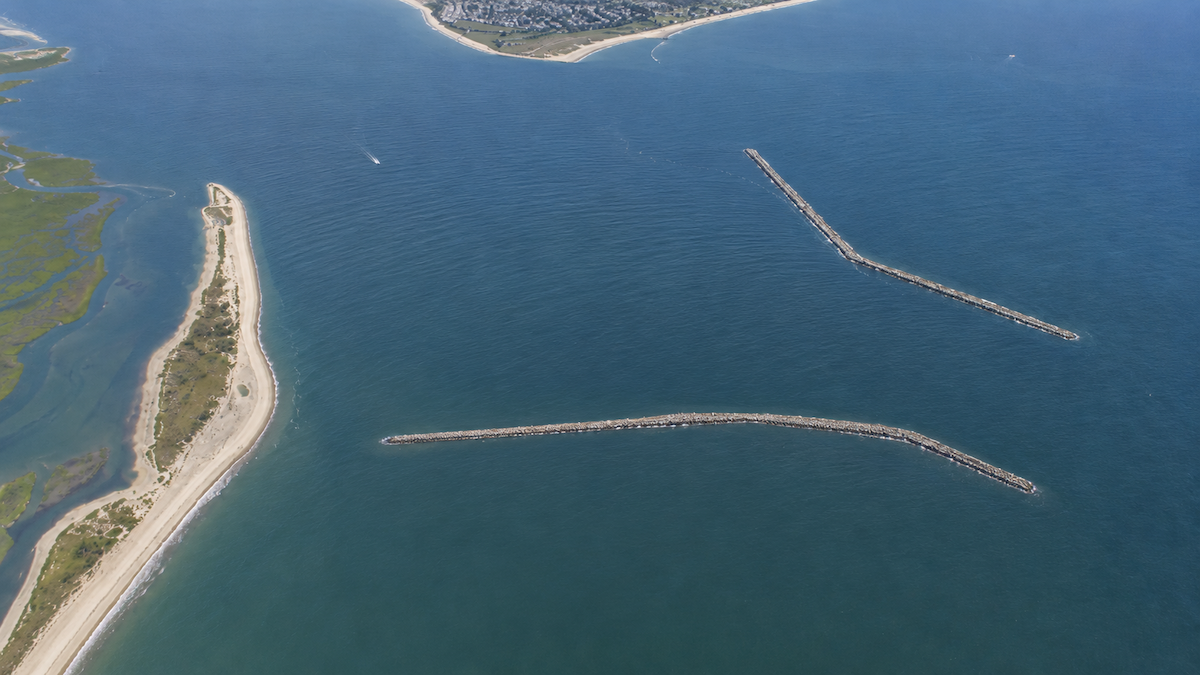
Breach Inlet deserves special attention from Charleston redfish anglers. This dynamic inlet system features strong currents, varied depths, and consistent bait populations. Redfish use the inlet's structure to ambush prey, though success here requires understanding current patterns and timing.
The harbor's dock systems, particularly around Shem Creek and James Island marinas, hold surprising numbers of redfish. These fish often feed at night or during low-light periods, making them perfect targets for early morning or evening trips. Structure fishing around docks requires stealth and precision but can produce trophy-class Charleston redfish.
MarshMind's live zone scores help you identify which Charleston Harbor areas are most active for redfish right now.
Barrier Island Backwaters
The backwater systems behind Folly Beach, Kiawah Island, and Johns Island create some of Charleston's most productive redfish habitat. These protected waters warm faster in spring and hold bait longer into fall, extending the prime redfish season. Bohicket Creek's vast backwater system exemplifies this type of fishing — miles of connected creeks, flats, and ponds that harbor excellent redfish populations.
These backwater areas excel during extreme weather when open water becomes unfishable. Redfish seek shelter in these protected systems while continuing to feed actively. The key is finding the right combination of structure, current, and bait concentration.
North Edisto's backwater network provides some of the Lowcountry's most pristine redfish fishing. Less fishing pressure combined with excellent habitat creates opportunities for both numbers and trophy fish. However, these remote areas require careful navigation and local knowledge to fish safely and effectively.
Check MarshMind to discover which barrier island backwaters are firing for Charleston redfish today.
Seasonal Movement Patterns
Understanding seasonal redfish behavior dramatically improves success rates in Charleston waters. Spring brings scattered fish moving into shallow areas as water temperatures rise. Summer concentrates redfish around structure and deeper edges during midday heat. Fall triggers the famous "bull red" runs when large schools of oversized redfish cruise Charleston's beaches and inlets.
Winter redfish fishing in Charleston focuses on deeper creek systems and harbor areas where fish seek stable water temperatures. These cold-weather patterns differ significantly from summer behaviors, requiring different approaches and locations. The Stono River system particularly shines during winter months when redfish concentrate in its deeper bends and holes.
Bait patterns drive seasonal redfish movements more than any other factor. Spring shrimp runs, summer crab hatches, and fall mullet migrations all influence where and how Charleston redfish feed. Matching your approach to these natural cycles separates consistent anglers from occasional success stories.
MarshMind tracks seasonal patterns across Charleston's waters, showing you exactly where redfish are staging based on current conditions and time of year.
Use MarshMind for Real-Time Charleston Redfish Intelligence
This overview covers the foundational knowledge every Charleston redfish angler needs, but success requires real-time intelligence about current conditions, active zones, and today's bite patterns. MarshMind provides live zone scores for every Charleston fishing area, combining current tide data, weather conditions, and recent fishing reports to show you exactly where redfish are most active right now.
[Check Today's Bite Plan on MarshMind]
 charleston
 Charleston fishing
 charleston fishing