When Do Flounder Run in Charleston SC
Southern flounder follow a predictable seasonal calendar in the Lowcountry — but timing the actual bite requires more than just knowing the month. Here's how to read the conditions that trigger the Charleston flounder run.
If you've spent any time fishing the Lowcountry, you already know that flounder don't just show up randomly. They move on a schedule — driven by water temperature, baitfish, and a predictable seasonal migration that Charleston anglers have been dialing in for generations. Miss the window and you're grinding for nothing. Hit it right and you're pulling flatties out of every creek mouth you touch.
Here's what actually drives the flounder run in Charleston SC and how to time it.
The Two Windows That Matter
Southern flounder — the species we're fishing here — make two significant moves each year in the Charleston area. Most anglers focus on one and completely ignore the other.
The Spring Push (March – May)
As water temperatures climb back above 60°F, flounder that spent the winter in deeper offshore and nearshore areas begin filtering back into the estuary system. They move into creeks, grass flats, and shallow marsh edges to feed aggressively before the summer heat sets in.
This window gets overlooked because spring fishing in Charleston is all about redfish and sheepshead. But flounder are in there eating, and the competition for spots is almost zero. Water clarity is usually good, baitfish are starting to move, and flounder are hungry.
The key during spring is targeting warming water. Flounder are cold-blooded — they follow the heat. South-facing flats, dark-bottom creek pockets, and shallow areas that get direct afternoon sun will warm a degree or two faster than surrounding water. That's where you find them early.
The Fall Run (September – November)
This is the one. The fall flounder run is what Charleston anglers circle on the calendar. As water temps drop back through that 65–72°F range in the fall, southern flounder begin staging near inlets and creek mouths before making their offshore spawning migration. They pile up. They eat. Then they leave.
The fall run typically kicks into gear in late September and peaks through October into early November depending on how fast the water cools. Some years it's still going strong the week before Thanksgiving. Other years an early cold front pushes them out fast.
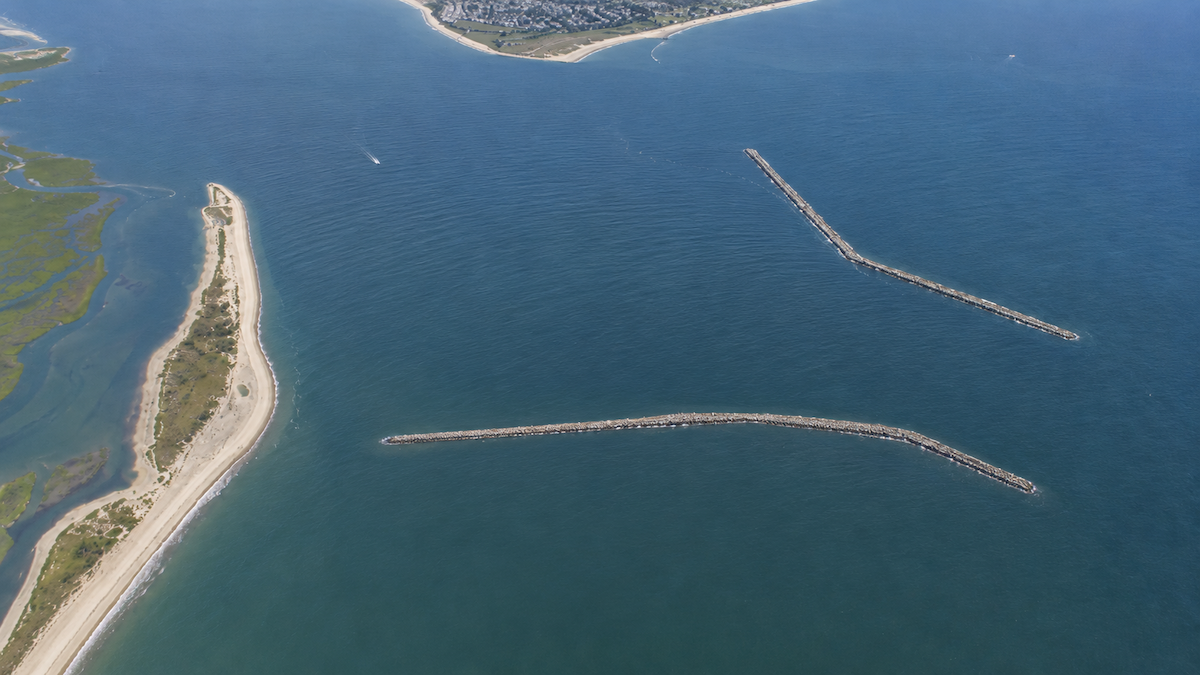
What makes the fall run special is the concentration. Flounder that have been spread across hundreds of square miles of marsh all season begin funneling toward the same exits. Inlet edges, the mouths of major creeks, and channel drop-offs near passes become loaded with fish that are actively feeding before the long offshore swim.
Water Temperature Is Everything
If you remember one thing from this article, make it this: flounder activity in Charleston is almost entirely temperature-driven.
The sweet spot is 60–72°F. Below 55°F, flounder become sluggish and stop feeding reliably. Above 78°F, summer heat pushes them deep or into cooler, shaded areas where the bite gets tough.
This is why the spring and fall windows exist in the first place — they're the two times each year when Charleston water temperatures sit in that productive zone.
Structure, Tide, and the Ambush Mindset
Flounder are ambush predators. They bury into the bottom and wait for baitfish to come to them. Understanding that one fact changes everything about how you fish for them.
They're not chasing bait across open flats. They're sitting at the edge of something — a grass line, a drop-off, a dock piling, a channel ledge — and letting the tide push food past their face.
Moving tide is non-negotiable. Slack water produces almost nothing. The outgoing tide is particularly productive during the fall run because it sweeps baitfish out of the marsh and right past staging flounder sitting at creek mouths.
A simple Carolina rig with a live mud minnow dragged slowly along the bottom is still the most effective setup in Charleston's estuaries. If you're throwing artificials, Z-Man's 3" Slim SwimZ on a 1/4 oz jig head fished painfully slow along any kind of bottom change will get bit.
Summer: Flounder Are Still Here, Just Harder
July and August don't get talked about much for flounder, but fish are absolutely present in Charleston all summer. They just concentrate in different spots — deeper water, shaded structure, and areas with current that keep temperatures manageable.
Bridge pilings, dock systems over deeper water, and channel edges near inlet flow are your best bets in the heat of summer. Early morning before water temps peak is when you'll find the most active fish.
Berkley Gulp! Alive Shrimp in new penny or smelt fished on a light jig head is a go-to when fishing structure in summer. The scent dispersal in the current does a lot of work for you.
When to Go: Reading Conditions in Real Time
Knowing the seasonal calendar is a starting point. But the actual bite — the "go today, not tomorrow" call — depends on layering real-time conditions on top of it.
Water temperature on any given day, the current tide stage, barometric pressure trends, and recent rainfall all affect whether flounder are eating. A cold front that drops the water temp 4 degrees overnight can kill a hot fall bite instantly. A slow-rising tide on an overcast morning in October can make an otherwise average spot fish like a dream.
That's where MarshMind comes in. Instead of manually stacking tide charts, weather data, and historical catch patterns yourself, MarshMind's Adaptive AI System reads all of it in real time and tells you which zones are set up correctly — right now. For flounder specifically, it factors in water temperature ranges, tide stage, seasonal patterns, and structure type to give you an actual bite probability, not just a generic forecast.
If you're serious about timing the fall flounder run this year, it's worth having that intelligence in your pocket when you're making the call at 5 AM.
Quick Reference: Charleston Flounder Calendar
January – February: Fish are offshore. Don't chase them in the marsh.
March – April: Spring push begins. Target warming flats and shallow creek edges.
May – June: Flounder spread across the estuary. Active but scattered.
July – August: Present but localized to deeper, cooler structure.
September: Fall staging begins. Watch water temps closely.
October: Peak fall run. Best month of the year for flounder in Charleston.
November: Run continues until water temps drop below 58°F. Can end fast.
December: Transition offshore. Catch-as-catch-can in deeper holes.
The flounder run in Charleston SC is one of the most predictable events in Lowcountry fishing — if you know what to look for. Temperature, structure, tide, and timing. Get all four aligned and October in Charleston can be as good as inshore fishing gets.
Made in the Lowcountry, tuned for its tides.
 charleston
 Charleston fishing
 charleston fishing