Redfish Fishing in Charleston SC: Seasons, Tactics, and What Actually Works
Red drum live in Charleston's marsh year-round — but finding them on any given tide requires more than luck. Here's how to fish redfish in Charleston across every season.
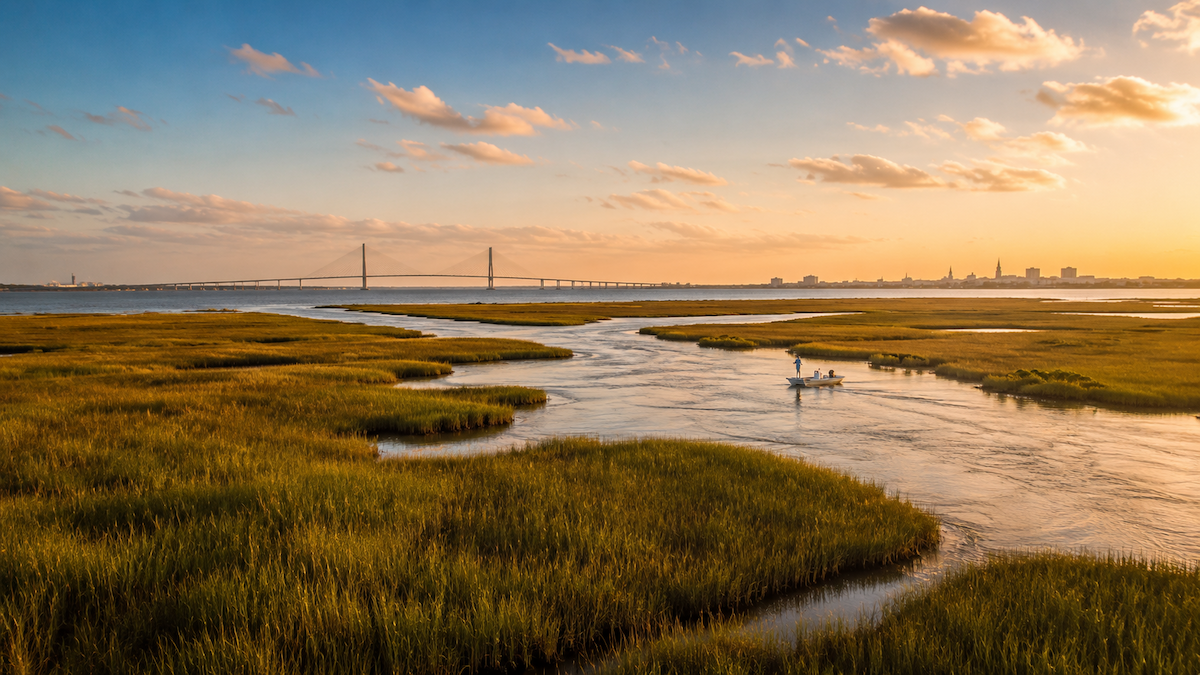
Redfish are the reason most people get hooked on inshore fishing in the Lowcountry. They're aggressive, they fight hard, they live in some of the most beautiful marsh country on the East Coast — and if you know what you're doing, Charleston has them year-round. If you don't, you can go home empty a lot.
This is what you actually need to know.
---
Redfish in Charleston: The Basics
Red drum — redfish — are a year-round species in Charleston's estuary system. Unlike flounder or pompano that migrate seasonally, slot redfish (the legal, keepable fish) live in the marsh creeks, grass flats, and tidal channels all twelve months. They don't leave. They just change where they are and how they're feeding based on conditions.
That's both the good news and the challenge. The fish are always there. Finding them on any given tide, in any given month, in 236 square miles of Lowcountry marsh is the whole game.
Understanding their seasonal patterns is where it starts.
---
Spring: Shallow, Aggressive, and Visible
March through May is when redfish fishing in Charleston gets fun fast. As water temperatures climb through the 60s, fish that spent winter in deeper creek holes and channels start pushing onto the shallow grass flats. They're hungry, they're active, and on the right tide you can see them.
Tailing redfish on a falling tide over a shallow flat is one of the best things inshore fishing has to offer. The tail breaks the surface as they root through the grass for fiddler crabs and shrimp. You cast ahead of the fish, let it find the bait, and hold on.
Spring is also when topwater starts producing. Early morning, calm water, a walking bait worked over a shallow flat — redfish will blow up on it. It's the kind of bite that makes you forget you have a job.
What to throw: A gold Johnson Silver Minnow spoon is still one of the most effective redfish lures ever made in Charleston's grass flats. It's weedless, it casts well, and the flash in our tannic water gets their attention from a distance. Work it slow.
---
Summer: Early, Deep, or Don't Bother
June through August is when casual redfish anglers struggle and serious ones adjust. The fish don't disappear — they just get uncomfortable in water that's pushing 85°F by midday and move accordingly.
Your two windows in summer are early morning and structure.
The first two hours after sunrise are the most productive redfish fishing of the day in July and August. Water temps are at their daily low, bait is active, and fish that were buried in shade all afternoon are now on the move. Miss that window and you're fighting the heat.
Structure becomes everything as the day heats up. Dock pilings with deep water underneath, bridge shadows, the shaded inside bends of creek channels — redfish stack in places where temperature and current combine to make conditions tolerable. A Z-Man 3" Scented Jerk ShadZ on a light jig head worked slowly through shade and structure will get bit when the flats are dead.
---
Fall: The Best Redfish Fishing of the Year
If you only fish Charleston once for redfish, fish it in October.
Two things happen in fall that make it exceptional. First, the slot fish that have been scattered across the marsh all summer start grouping up as water temps drop back into the productive range. Schools of 10, 20, 30 fish working the same flat or creek edge — that's a fall phenomenon.
Second, and this is what puts Charleston on the map — the bull reds show up at the inlets.
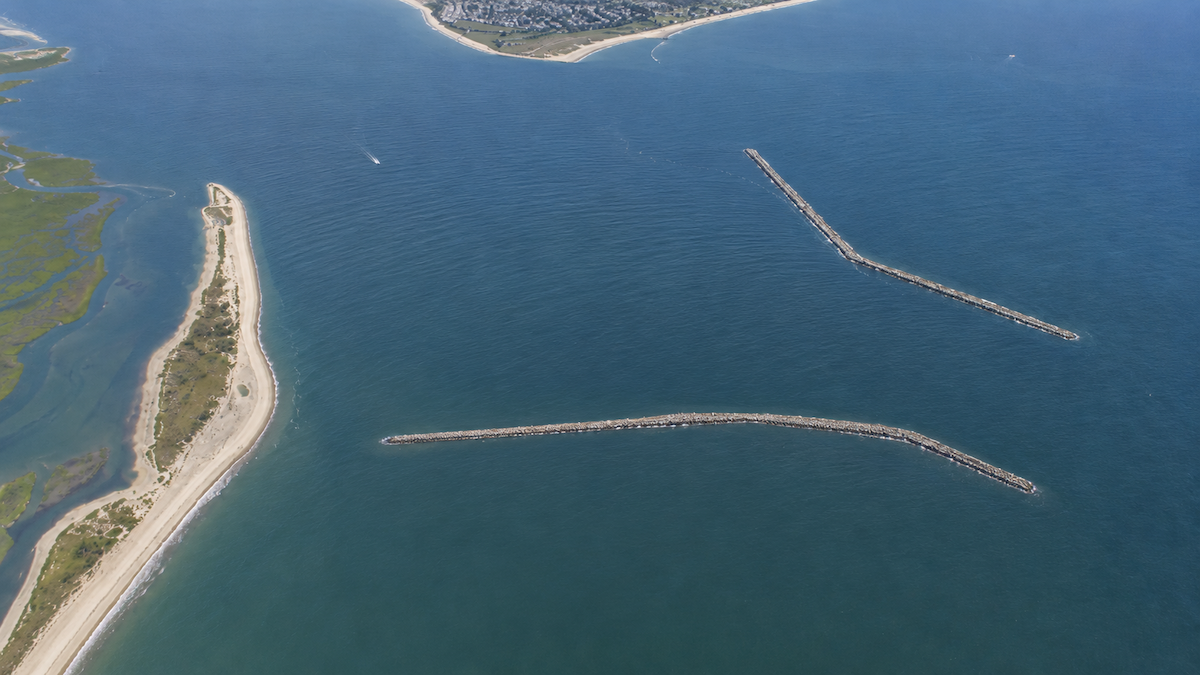
Oversized red drum, fish that have been living offshore and in nearshore waters, stage at Charleston's inlets in September and October before their spawning run. We're talking fish in the 30-50 inch range, in numbers that stack up along the inlet channels and jetties. They're not legal to keep in South Carolina, but catching a 40-inch bull red on light tackle is an experience that doesn't need a cooler to be worthwhile.
The bull red run typically peaks in late September through October and can extend into November depending on how fast the water cools. It is the most predictable inshore fishing event in Charleston all year.
---
Winter: Slow Down and Find the Heat
December through February doesn't shut down redfish fishing in Charleston — it just requires a different mindset. Cold-blooded fish in cold water are slower, less aggressive, and far more location-specific.
The key in winter is finding warm water. Dark-bottom creek pockets, the back ends of small tidal drains that heat up on sunny afternoons, and shallow areas with southeast exposure can hold fish that are several degrees warmer than surrounding water. On a 55°F December afternoon with full sun, a black-bottom flat tucked into the marsh can be holding active reds while everything else is dead.
Slow your retrieve way down. Fish that are comfortable at 65°F and lethargic at 50°F aren't chasing anything. Put the bait on their nose and give them time to eat it.
---
Reading the Tide: The Single Biggest Factor
More than season, more than bait choice, more than anything else — tide stage determines where Charleston redfish are and whether they're eating.
The general rules: incoming tide pushes fish onto the flats and into the marsh as water floods new feeding areas. Outgoing tide concentrates fish at creek mouths and drain exits as water funnels out. The first and last two hours of each tide phase are typically the most productive. Dead low and dead high are usually the slowest.
But those are generalizations. The specific creek, flat, or structure you're fishing has its own ideal tide window based on how water moves through it. A spot that fishes great on a falling mid-tide might be dead on an incoming. Learning your spots' individual tide personalities is what separates consistent anglers from occasional ones.
---
Regulations: Always Check Before You Go
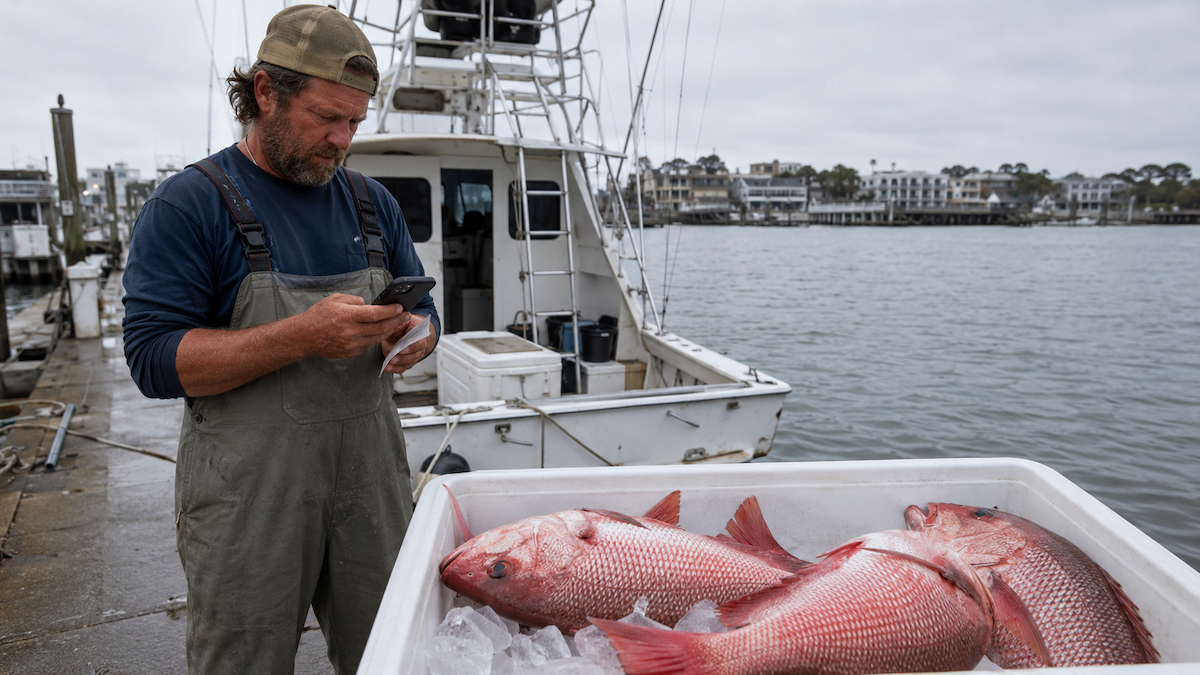
South Carolina redfish regulations include a slot size limit and daily bag limit that apply to everyone fishing in state waters. Regulations can change, and knowing the current rules before you go is your responsibility. Always verify current limits at the SCDNR website before your trip.
---
Putting It Together in Real Time
Knowing the seasonal calendar is the foundation. But the actual decision — do I go tomorrow morning, which part of the marsh do I fish, what tide stage am I targeting — requires layering real-time conditions on top of that knowledge.
Water temperature on any given day, the specific tide curve, barometric pressure trends, recent rainfall affecting salinity — all of it affects where the fish are and whether they're feeding. A cold front that drops air temps 20 degrees overnight can shut down a red-hot flat bite in hours.
MarshMind was built specifically for this problem. Instead of stacking tide charts, weather apps, and gut instinct yourself at 5 AM, MarshMind's Adaptive AI System reads all current conditions across Charleston's zone network and tells you which areas are set up correctly for redfish right now. It factors in tide stage, water temperature, seasonal patterns, structure type, and recent conditions to give you an actual read on where to point the boat.
For anglers who fish Charleston seriously, it's the difference between a plan and a guess.
---
Quick Reference: Charleston Redfish by Season
- January – February: Deep creek holes, dark-bottom flats on sunny afternoons. Slow presentations.
- March – April: Shallow grass flats warming up. Tailing fish on low tides. Topwater starting to work.
- May – June: Flats, docks, and creek edges. Morning bite is strong before heat sets in.
- July – August: Early morning only on flats. Structure fishing through the day. Beat the heat.
- September: Fall transition begins. Schools forming. Bull reds starting to stage at inlets.
- October: Peak. Schools on the flats, bull reds at the inlets. Best month of the year.
- November: Bull red run winds down. Slot fish still active until water cools below 60°F.
- December: Transition to winter patterns. Find the warm water.
---
Redfish aren't complicated fish. They're opportunistic, they're aggressive when conditions are right, and Charleston's marsh system gives them — and you — everything needed for a year-round fishery. The anglers who consistently find them aren't lucky. They're just paying attention to the right things.
Made in the Lowcountry, tuned for its tides.
 charleston
 Charleston fishing
 charleston fishing